Home
Instituto
Institute
Restaurantes
Restaurants
Novidades
News
Territórios
Territories
Educação
Education
Produtos
Products
Conecte-se
Contact
EN
Navegue por categoria
Browse by category
Cardápios
Menus
Estabelecimentos
Establishments
Bairros
Neighborhoods
Municípios
Municipalities
Influências
Influences
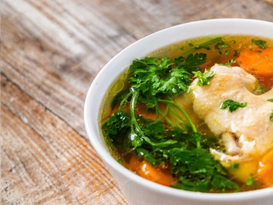
Canja. Caldo, arroz, galinha. Prato simples, mas com temperos históricos, uma das poucas sopas que o Brasil manteve em seu cardápio, consumido avidamente, por ricos ou pobres, ao longo dos dois últimos séculos, apesar de todo o calor tropical.
Canja. Broth, rice, chicken. A simple dish, but with historical seasonings, one of the few soups that Brazil has maintained on its menu, consumed avidly by rich and poor alike throughout the last two centuries, despite all the tropical heat.
continuar lendo
read more
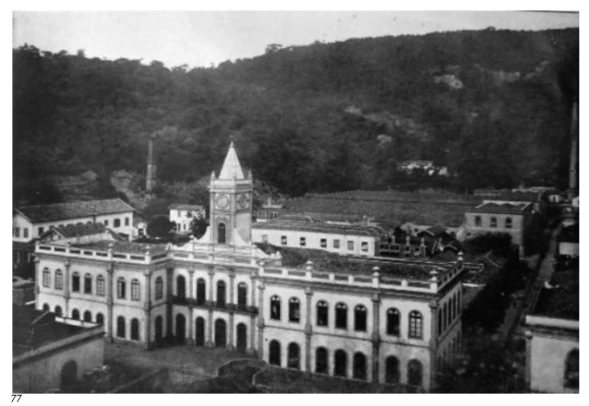
Às vésperas da chegada da família real, o censo de 1793 nos conta que São Sebastião do Rio de Janeiro tinha 17 casas de pasto (as precursoras dos restaurantes), 40 “casas de café” e 344 tabernas, mas todas confinadas ao centro da cidade para dar de comer e beber aos viajantes, profissionais liberais
In that valley, life was made of the ups and downs of ox carts bordering the river. The history of the street is inseparable from the Carioca River—the city's main source of fresh water until the end of the Empire—since the street's design was sculpted by the trails and paths that bordered its...
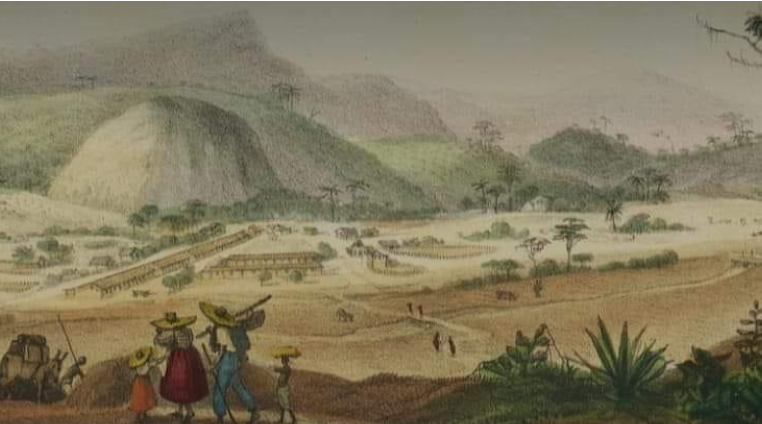
Em meados do século XIX, Nova Friburgo tornou-se importante exportadora de banha para a capital. Antes da geladeira, a banha era usada para conservar alimentos, de feijões e legumes a carnes. Em 1887, o Jornal do Commercio destaca os produtos da Fazenda Gavião, do Barão de Nova Friburgo, como “touci
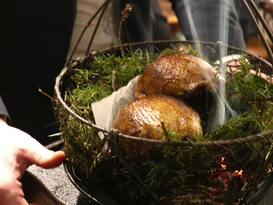
In that same region, in Itaipava, the Faraona restaurant structured its concept around the cultivation of vegetables and legumes, the raising of goats and piglets, and the use of guinea fowl—or "faraonas," as they are called in Italian—a bird traditionally raised in the mountains. The concise menu i
A vinda da Côrte Portuguesa para o Brasil trouxe um hábito, no prato: o de comer aves de caça. No Rio de Janeiro, entre o fim do século XIX e o início do XX, macucos, inhambús, e também perus, desfilavam nos cardápios mais nobres, sobretudo em Laranjeiras, então reduto elegante de veraneio.
The arrival of the Portuguese Court in Brazil brought a custom to the table: eating game birds. In Rio de Janeiro, between the late 19th and early 20th centuries, tinamous, small-billed tinamous, and also turkeys, were on the finest menus, especially in Laranjeiras, then an elegant summer retreat.
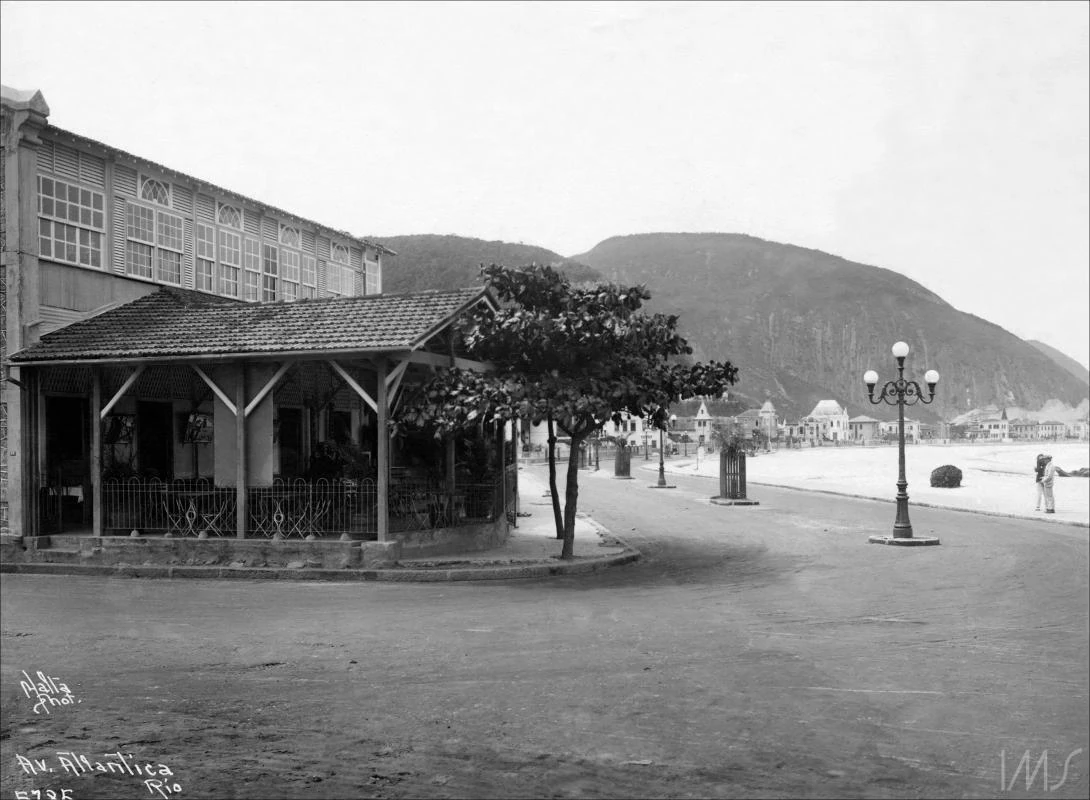
Por falar em personalidades, o presidente Washington Luis, quando foi deposto e preso no forte de Copacabana, em 1930, pedia todas as suas refeições de lá. No mesmo ano, no entanto, o restaurante entraria em falência e viraria, em seguida, o Cassino Atlântico, depois a TV Rio, um shopping center
“The ladies would pass by my grocery store in the Market, giving me angry looks, because I demeaned the white color.” The restaurant that was the first hot spot of Copacabana, opened in 1902, it was right in front of where today is the Z-13 fishing colony, on the corner of the current Francisco Ot
A moda dos piqueniques-banquete no Jardim Botânico não era brincadeira: O cardápio da comissão chinesa (1885) trazia embutidos, conservas, manteiga e sardinhas, omelete com trufas, peixe com lagostins, camarões recheados, filet com champignons, arroz ao curry, maionese de lagosta...
The trend of picnic banquets in the Botanical Garden was no joke: The menu of the Chinese commission (1885) included cold cuts, preserves, butter and sardines, omelette with truffles, fish with lobster, stuffed shrimp, filet with mushrooms, curry rice, lobster mayonnaise, Brazilian turkey, York...