Home
Instituto
Institute
Restaurantes
Restaurants
Novidades
News
Territórios
Territories
Educação
Education
Produtos
Products
Conecte-se
Contact
EN
Navegue por categoria
Browse by category
Cardápios
Menus
Estabelecimentos
Establishments
Bairros
Neighborhoods
Municípios
Municipalities
Influências
Influences
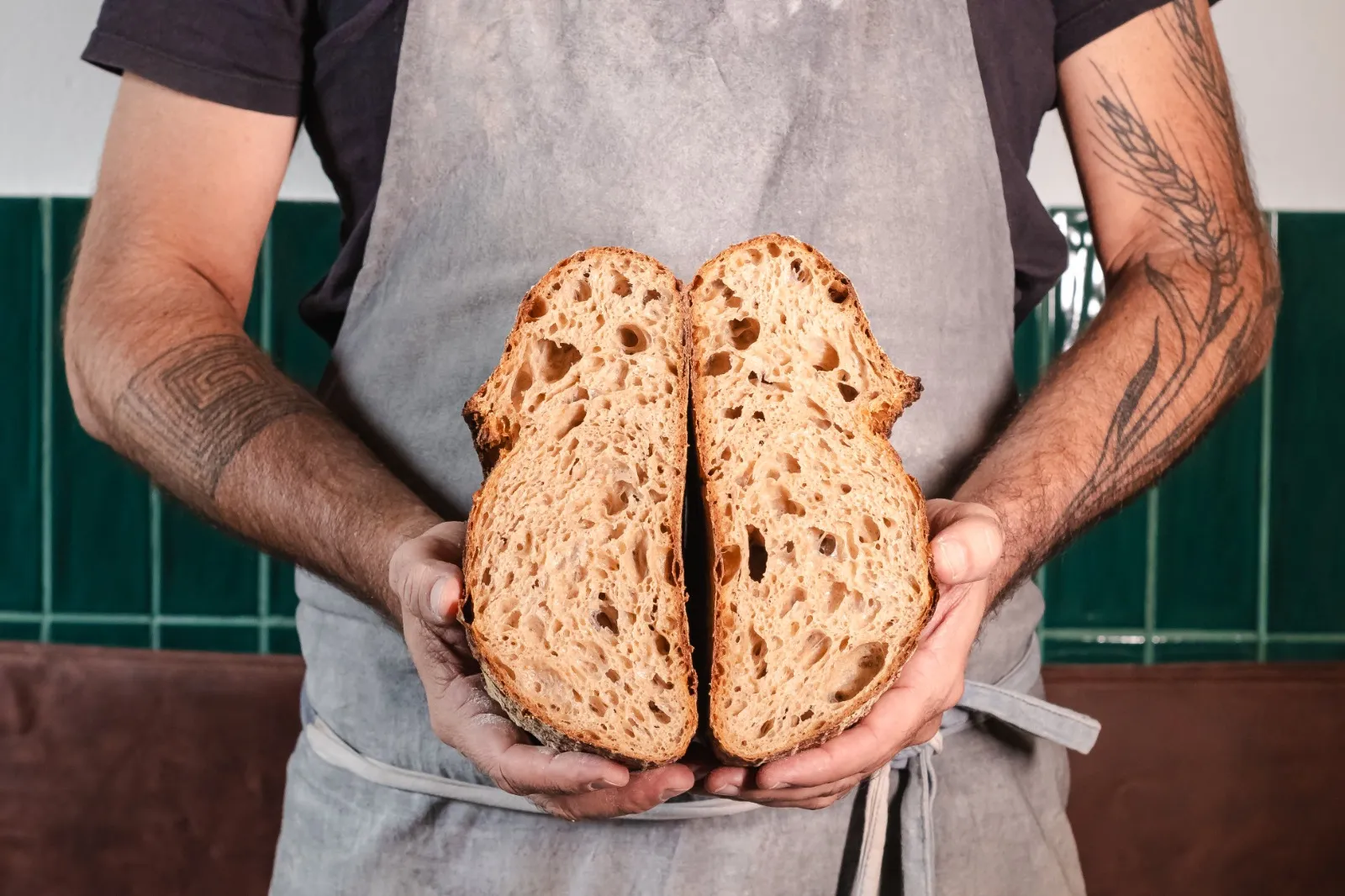
No Rio do século XIX, as questões de higiene faziam com mãos humanas fossem um grande problema. Já em 1884, o padeiro francês Delmilhac anunciava sua padaria como exemplo de avanço técnico: amassador mecânico, forno especial e “menos contacto humano com a massa”.
In 19th-century Rio de Janeiro, hygiene concerns made the use of human hands a major problem. As early as 1884, the French baker Delmilhac advertised his bakery as an example of technical advancement: mechanical kneader, special oven, and "less human contact with the dough."
continuar lendo
read more
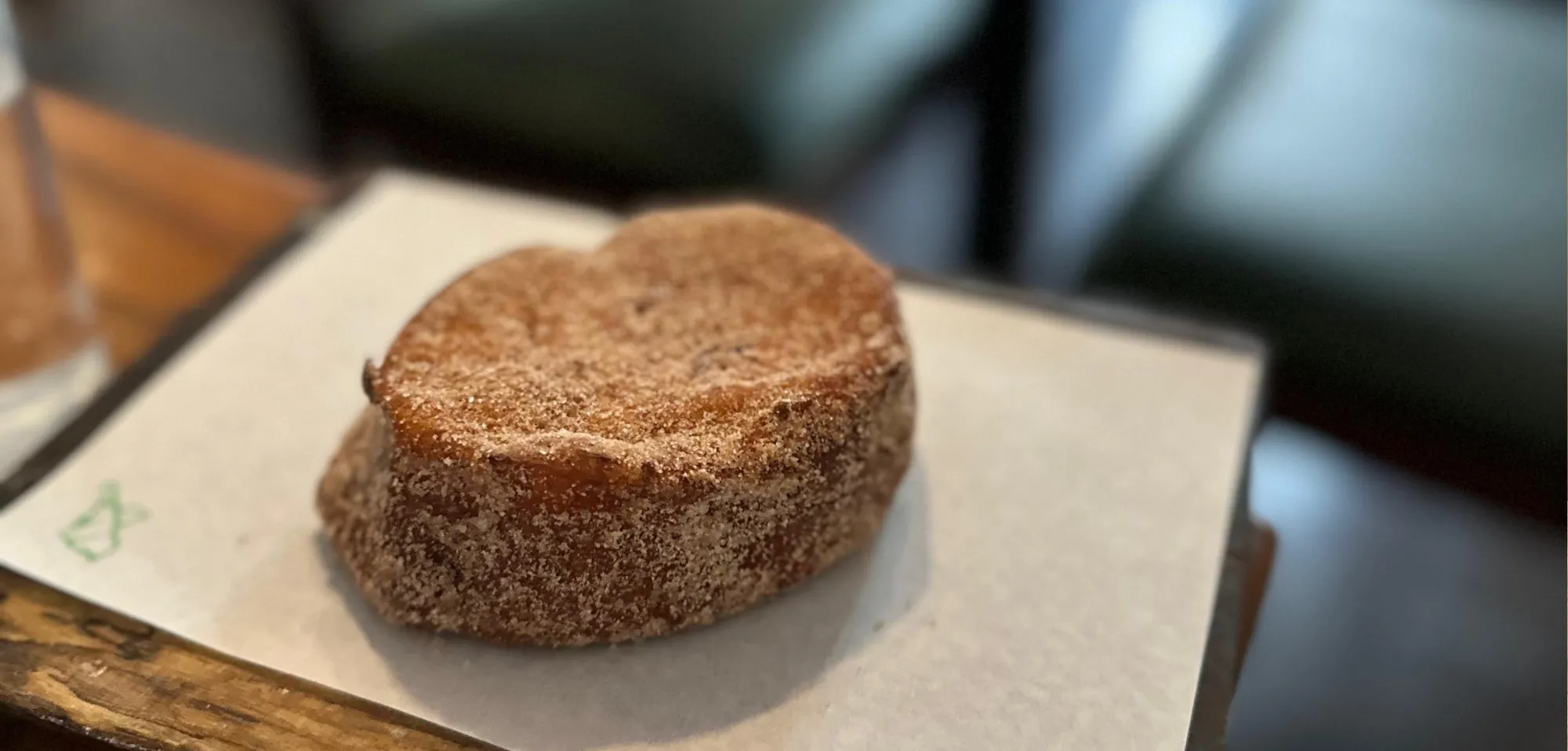
Lá por novembro, o assunto rabanada costumava tomar os jornais do Rio de Janeiro, sempre associado a outras preparações natalinas que não tinham nada a ver com o peru. Peru era coisa de inglês, depois de americano.
Around November, the topic of French toast used to dominate Rio de Janeiro newspapers, always associated with other Christmas dishes that had nothing to do with turkey. Turkey was an English thing, then an American one.
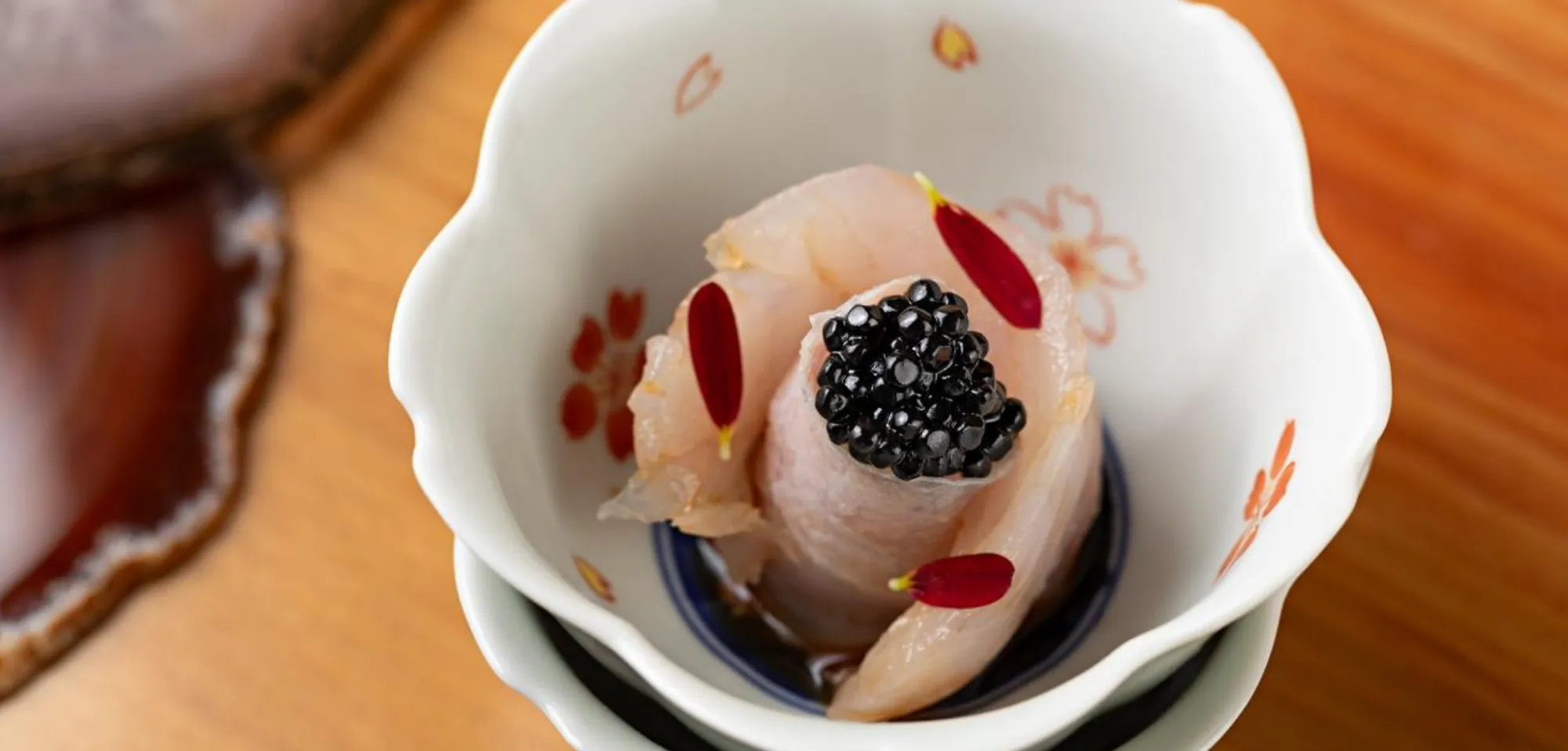
Em 1939, o gerente do Banco Yokohama Shokin construiu uma casa de fim de semana naquele bairro, então deserto. Quando a família voltou ao Japão, permitiu ao cozinheiro que abrisse ali um restaurante, que se chamava Shujyu Na. Teve vida curta, o negócio, por conta do acesso difícil.
In 1939, the manager of the Yokohama Shokin Bank built a weekend house in that then-deserted neighborhood. When the family returned to Japan, they allowed the cook to open a restaurant there, called Shujyu Na. The business had a short life due to difficult access.
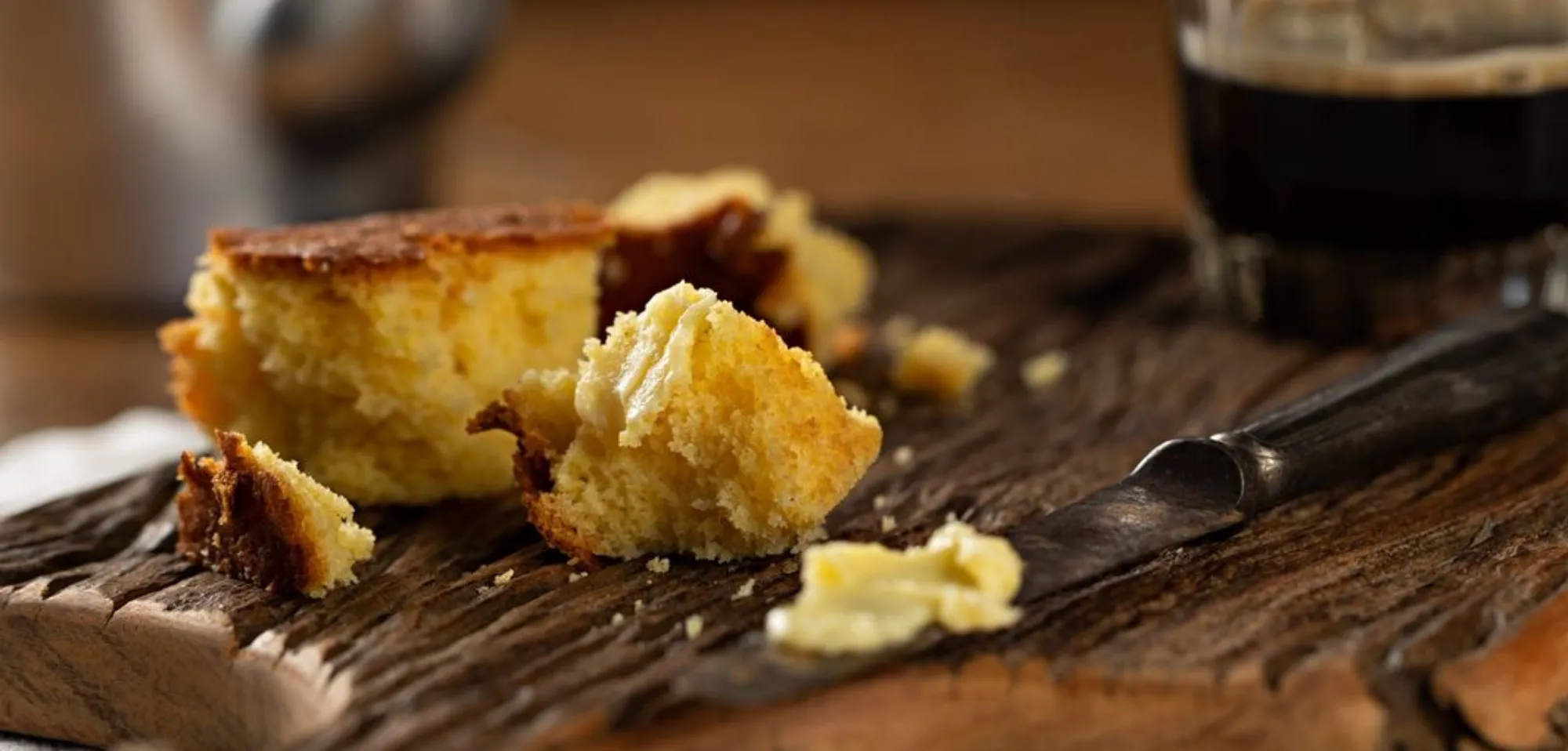
Que idade tem o fubá? Farinha e fubá de milho faziam parte da dieta dos povos indígenas do Rio muito antes da chegada dos primeiros europeus. Em Petrópolis, na Serra Fluminense, o cultivo do milho foi registrado a partir de 1802.
How old is cornmeal? Corn flour and cornmeal were part of the diet of the indigenous peoples of Rio de Janeiro long before the arrival of the first Europeans. In Petrópolis, in the Serra Fluminense region, corn cultivation was recorded from 1802 onwards.
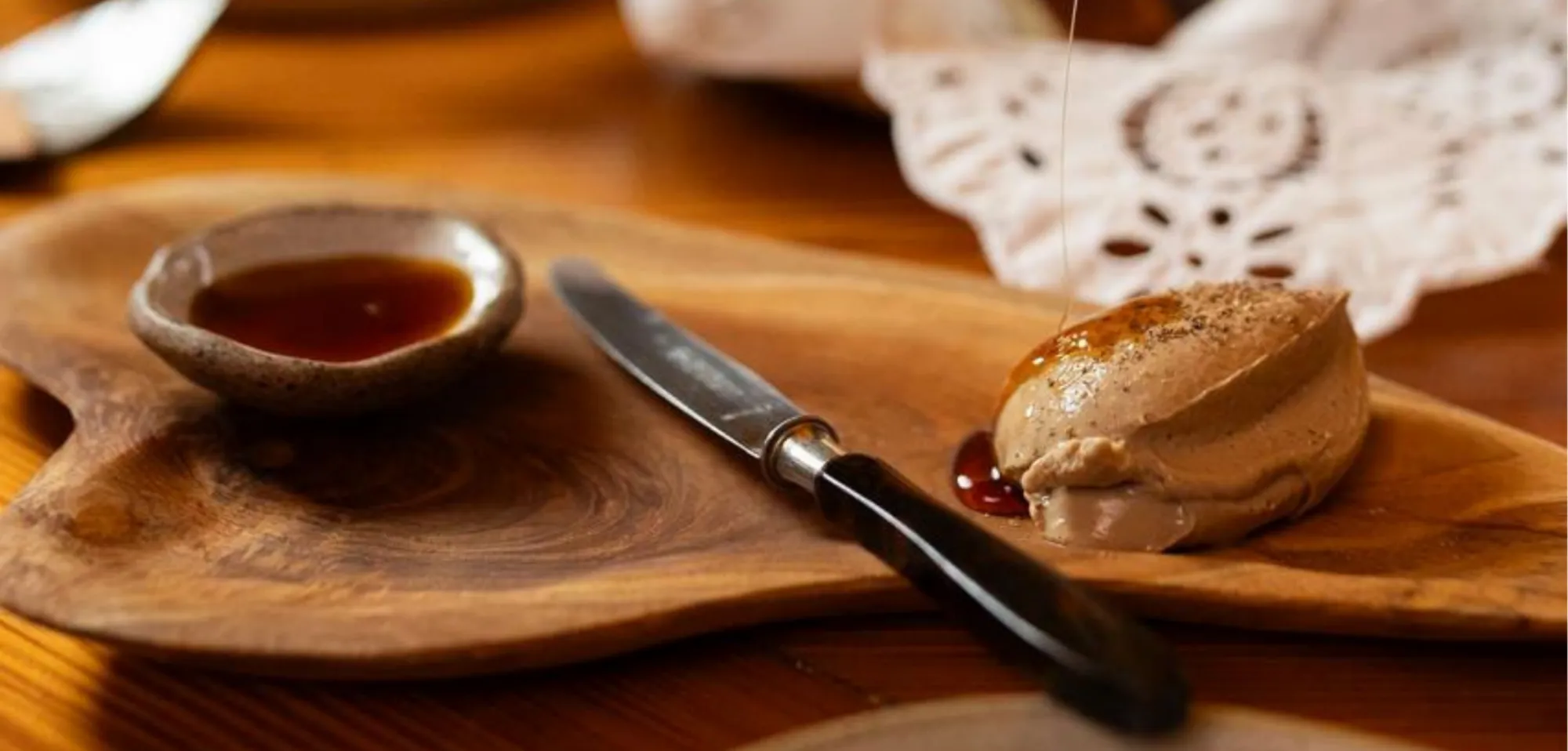
Na Serra Fluminense, são parte da identidade gastronômica, marcada pelo aproveitamento integral dos animais e a excelência do homem. No séc.XVIII, porcos, galinhas e patos eram criados em quintais de bairros afastados do centro urbano, como Laranjeiras.
In the Serra Fluminense region, they are part of the gastronomic identity, marked by the complete use of animals and the excellence of the people involved. In the 18th century, pigs, chickens, and ducks were raised in the backyards of neighborhoods far from the urban center, such as Laranjeiras.
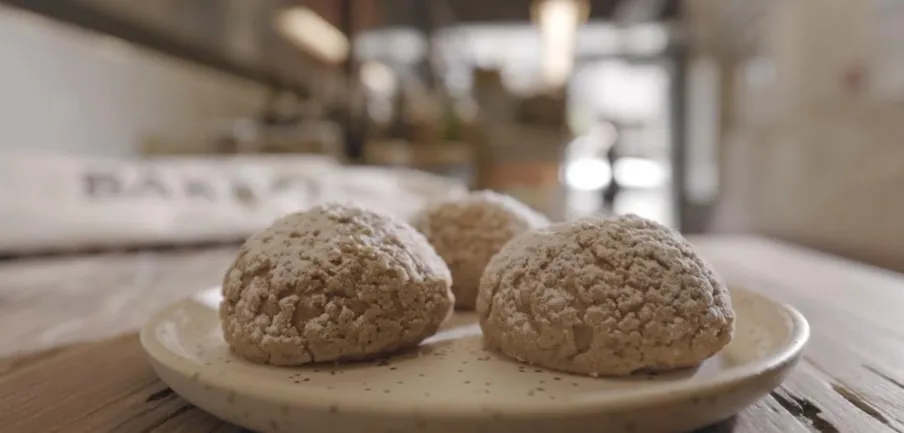
Nos tempo do Império, o carioca tinha dois hábitos em sua mesa: O primeiro, tomar café e tomar chá. O segundo tomar café e chá com bolachinhas e biscoitinhos. As padarias contribuíram muito com esse hábito. Encontramos anúncios de bolachinhas...
During the Imperial period, Rio de Janeiro residents had two main habits at their table: The first was to drink coffee and tea. The second was to drink coffee and tea with cookies and biscuits. Bakeries contributed greatly to this habit. We find advertisements for fine...