Home
Instituto
Institute
Restaurantes
Restaurants
Novidades
News
Territórios
Territories
Educação
Education
Produtos
Products
Conecte-se
Contact
EN
Navegue por categoria
Browse by category
Cardápios
Menus
Estabelecimentos
Establishments
Bairros
Neighborhoods
Municípios
Municipalities
Influências
Influences
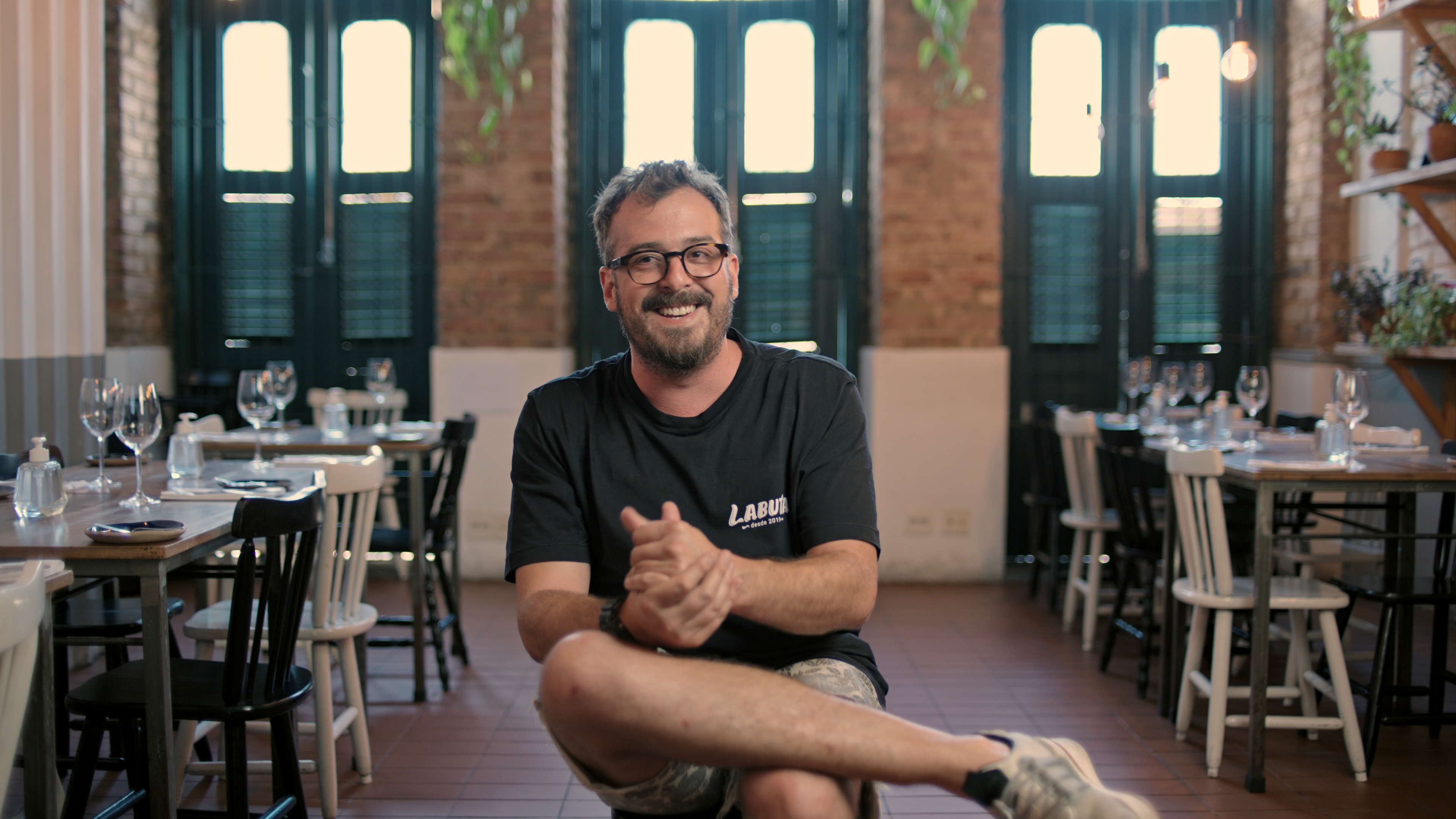
Frequentado, tanto por quem trabalha no bairro, como por quem cruza a cidade atrás de uma cozinha contemporânea brasileira de qualidade, o Lilia é estratégico também para quem busca as inúmeras atrações do centro histórico do Rio.
Frequented by both those who work in the neighborhood and those who cross the city in search of quality contemporary Brazilian cuisine, Lilia is also a strategic location for those seeking the many attractions of Rio's historic center.
continuar lendo
read more
Às vésperas da chegada da família real, o censo de 1793 nos conta que São Sebastião do Rio de Janeiro tinha 17 casas de pasto (as precursoras dos restaurantes), 40 “casas de café” e 344 tabernas, mas todas confinadas ao centro da cidade para dar de comer e beber aos viajantes, profissionais liberais
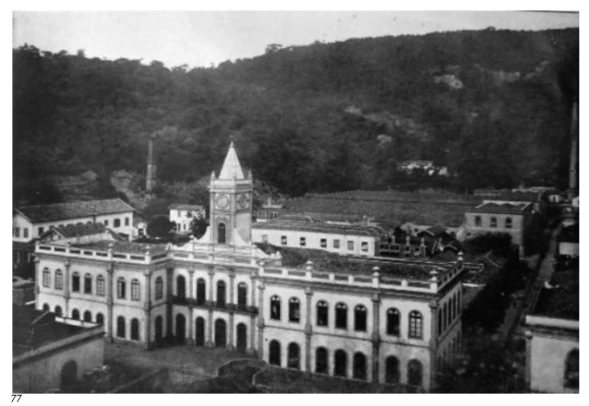
In that valley, life was made of the ups and downs of ox carts bordering the river. The history of the street is inseparable from the Carioca River—the city's main source of fresh water until the end of the Empire—since the street's design was sculpted by the trails and paths that bordered its...
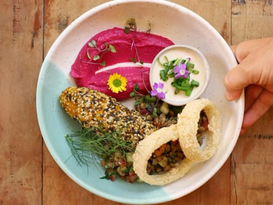
A dieta vegetariana do século XIX, no Rio de Janeiro, se inspirava no modelo inglês da Vegetarian Society e seus 3.000 sócios. Não pregava apenas “não matar animais”. Num artigo do Auxiliador da Indústria Nacional, de 1861, a “seita dos legumistas” implicava também em não juntar sal ou especiarias a
In the last century, in the 1970s, the so-called "natural" food movement in Rio and vegetarianism had a lot of overlap. Not surprisingly, the natural sandwich, a staple of the health-conscious generation's diet, became associated with the culture of outdoor sports, such as hang gliding and, especial
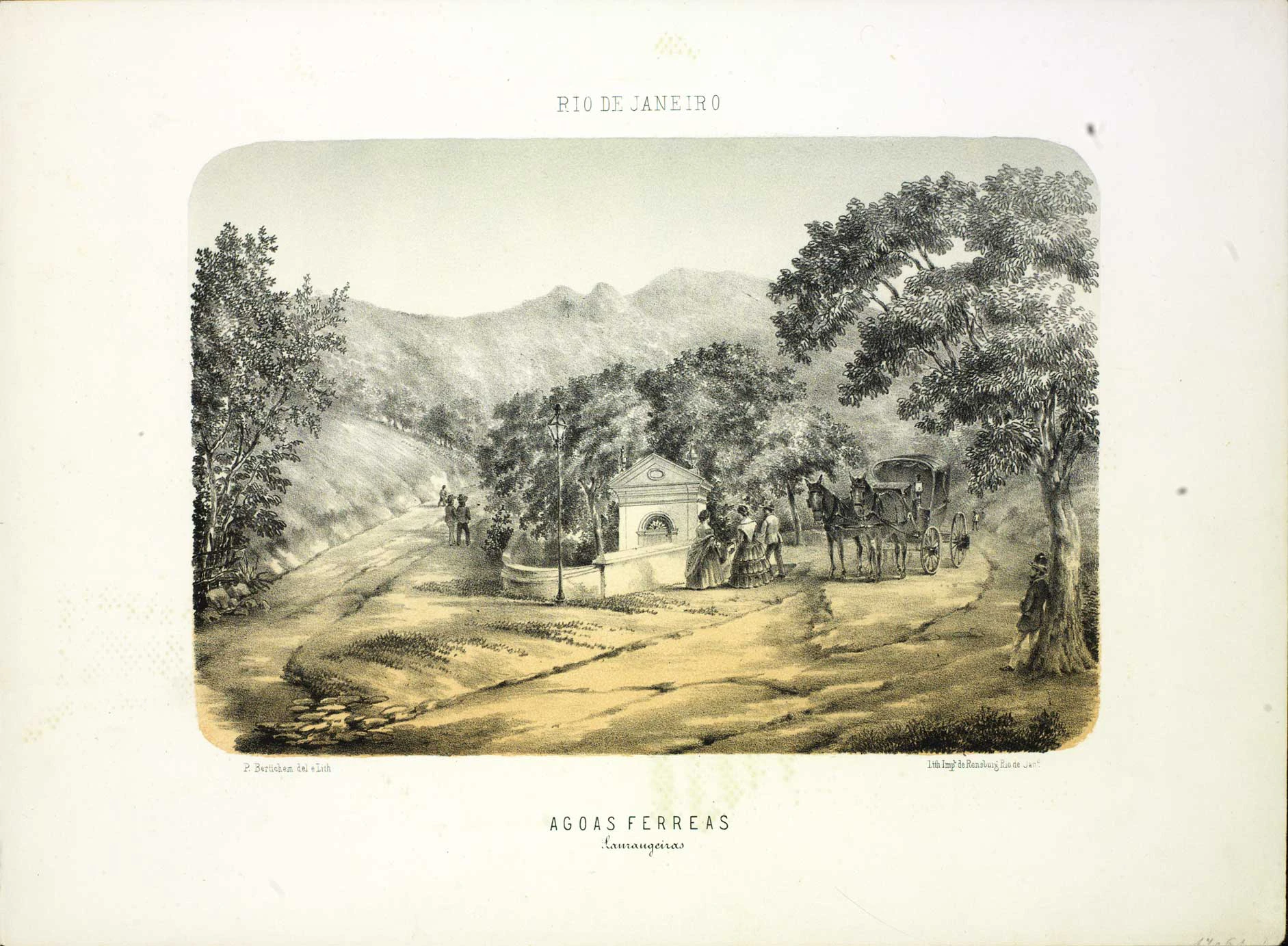
A água doce do Rio Carioca, no século XVI, era monopólio indígena e quem tentasse abastecer seu barco sem algum escambo era recebido “calorosamente” a flechadas. O ponto em que embarcações atracavam e a recolhiam era chamado de "aguada dos marinheiros".
In the 16th century, the fresh water of the Rio Carioca was an indigenous monopoly and anyone who tried to supply their boat without some barter was given a “warm” welcome with arrows. The point where boats docked and collected them was called "sailors' watering hole".