Home
Instituto
Institute
Restaurantes
Restaurants
Novidades
News
Territórios
Territories
Educação
Education
Produtos
Products
Conecte-se
Contact
EN
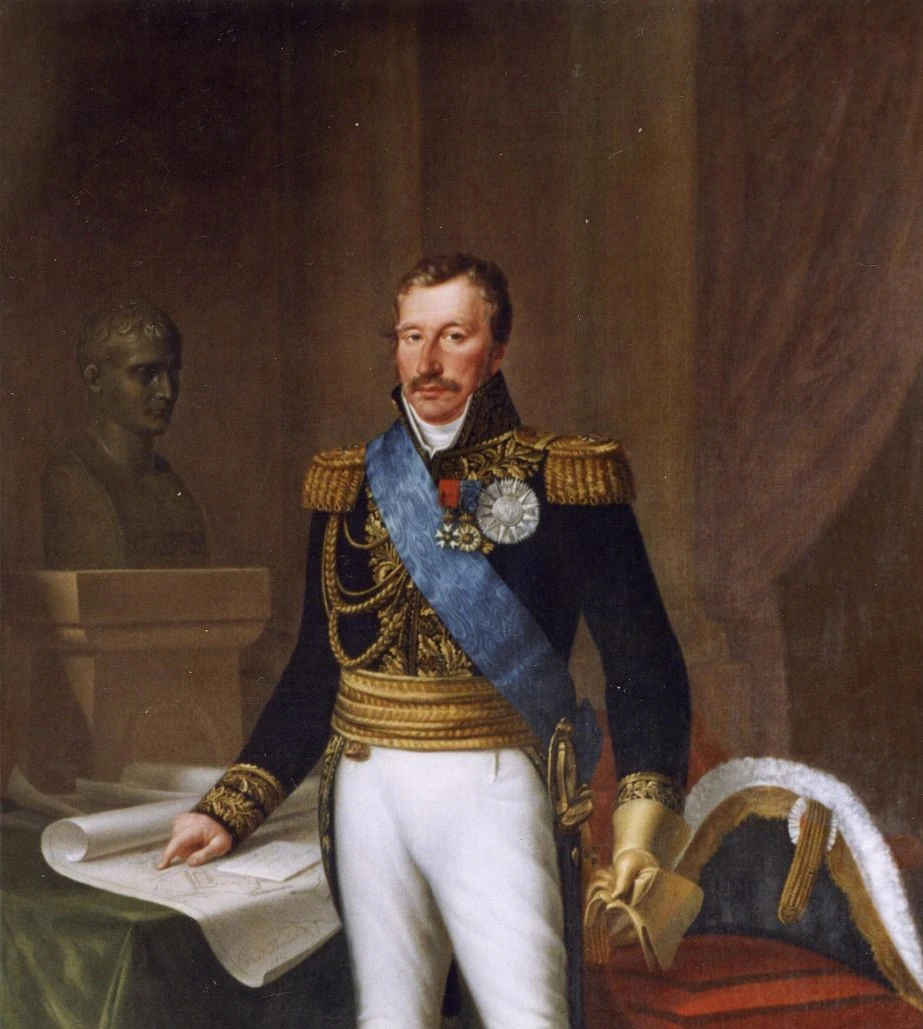
Quem olhasse para as encostas do Corcovado, em 1760, veria os 30 mil pés de café da fazenda do Conde de Hogendorp, antigo general de Napoleão, personagem frequente de cronistas da época, como Maria Graham ou Alphonse de Taunay.
Anyone looking at the slopes of Corcovado in 1760 would see 30,000 coffee trees on the farm of the Count of Hogendorp, Napoleon's former general, a frequent character for chroniclers of the time, just like Maria Graham or Alphonse de Taunay.
continuar lendo
read more
O mais antigo moinho de Laranjeiras foi instalado em meados de 1570 numa propriedade que pertenceu a duas mulheres: Marquesa Ferreira (viúva do primeiro ouvidor da cidade) e Maria Soares, a quem vendeu o lote, em 1610.
The oldest mill in Laranjeiras was installed in the mid-1570s on a property that belonged to two women: Marquesa Ferreira (widow of the city's first ombudsman) and Maria Soares, to whom she sold the lot in 1610.
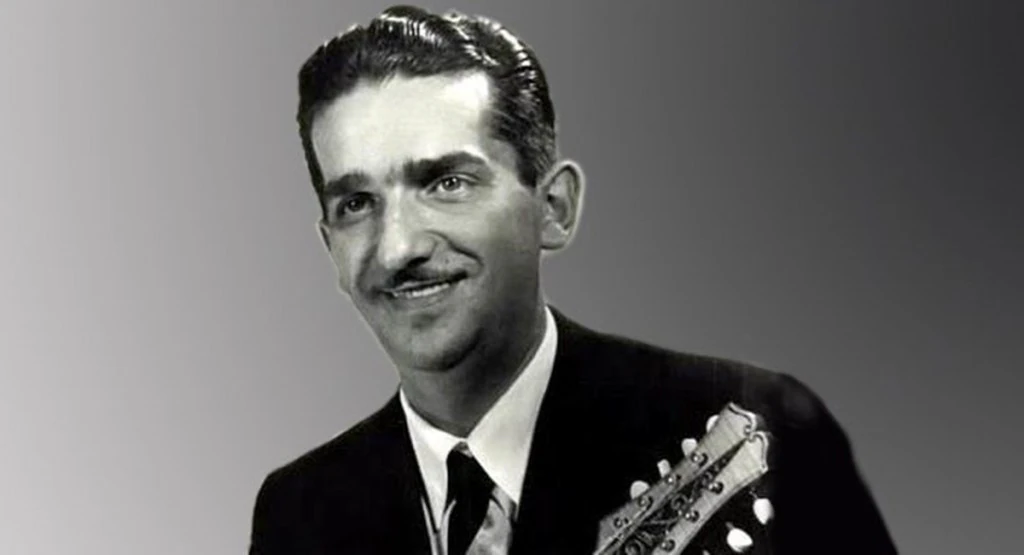
Em 1918, nasce em Laranjeiras, zona sul do Rio, um dos maiores nomes do chorinho. Alguns de seus sucessos fazem referência ao paladar de sua época.
In 1918, one of the biggest names of the musical genre chorinho was born in Laranjeiras, south area of Rio. Some of his hits reference the taste of his time.
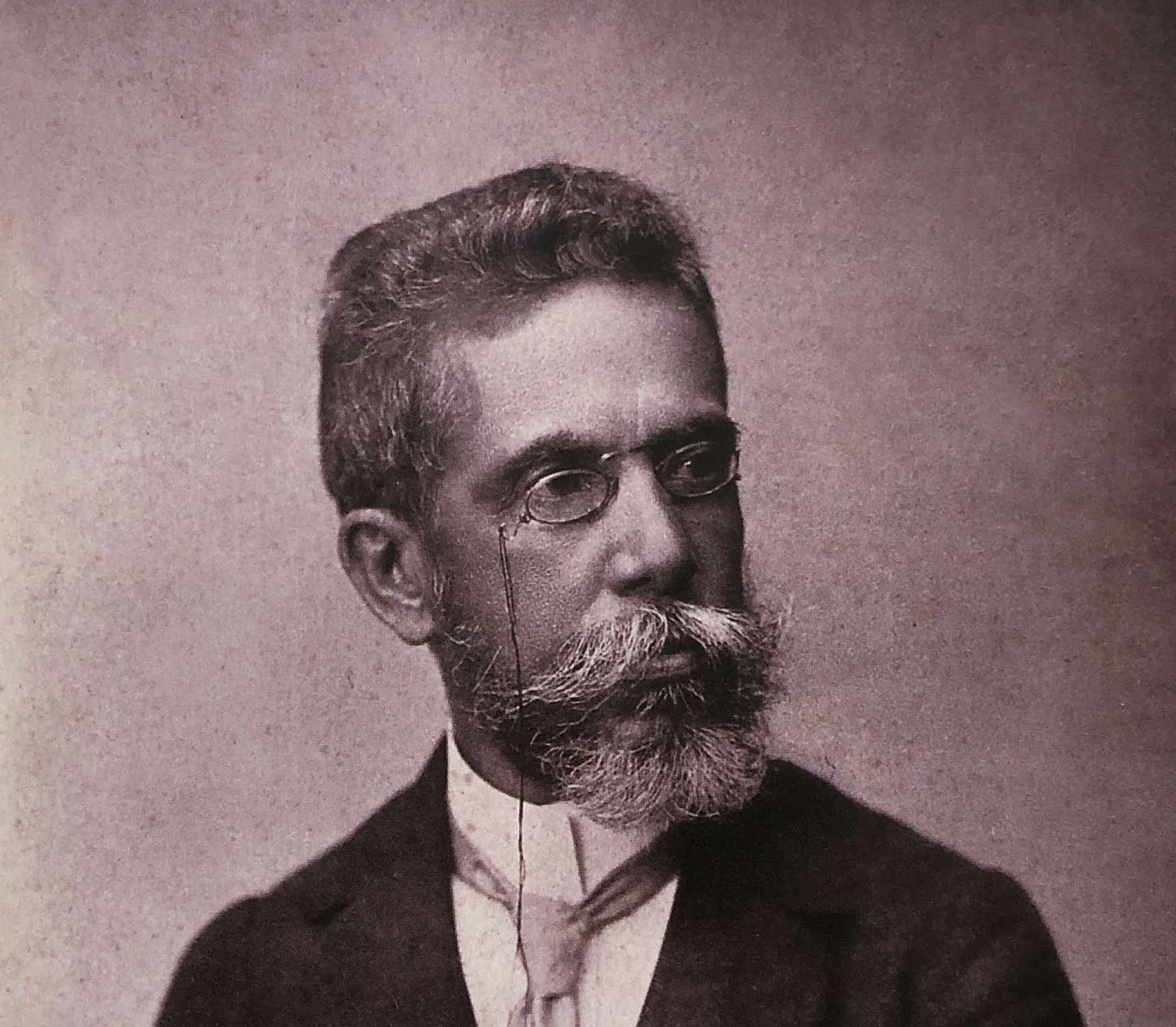
Em 1901, Machado de Assis organiza, em Laranjeiras, uma série de almoços e confraternizações que reuniriam uma seleção de intelectuais e acadêmicos. Ele mesmo batizou o grupo com o sugestivo nome de “Panelinha”.
In 1901, Machado de Assis organized a series of lunches and gatherings that would bring together a selection of intellectuals and academics in Laranjeiras. He himself named the group suggestively by "Panelinha".
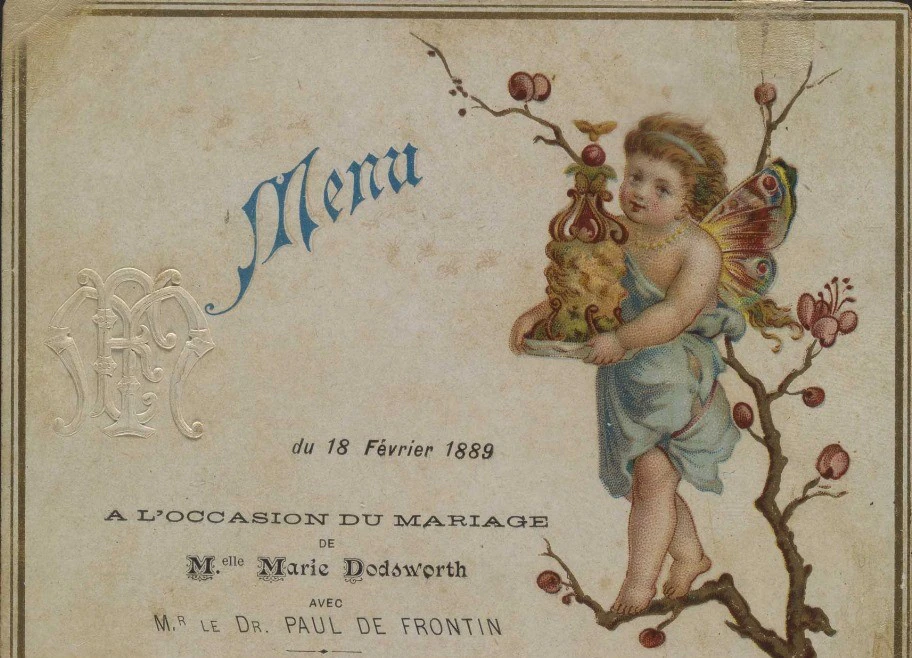
Sejam para autoridades ou atletas, alguns dos eventos que aconteciam em Laranjeiras no final do século XIX, começo do XX, traziam verdadeiros banquetes. O francês era a língua que dominava os cardápios da época.
Whether for authorities or athletes, some of the events that took place in Laranjeiras, at the end of the 19th century and beginning of the 20th brought real banquets. French was the language that dominated menus at the time.
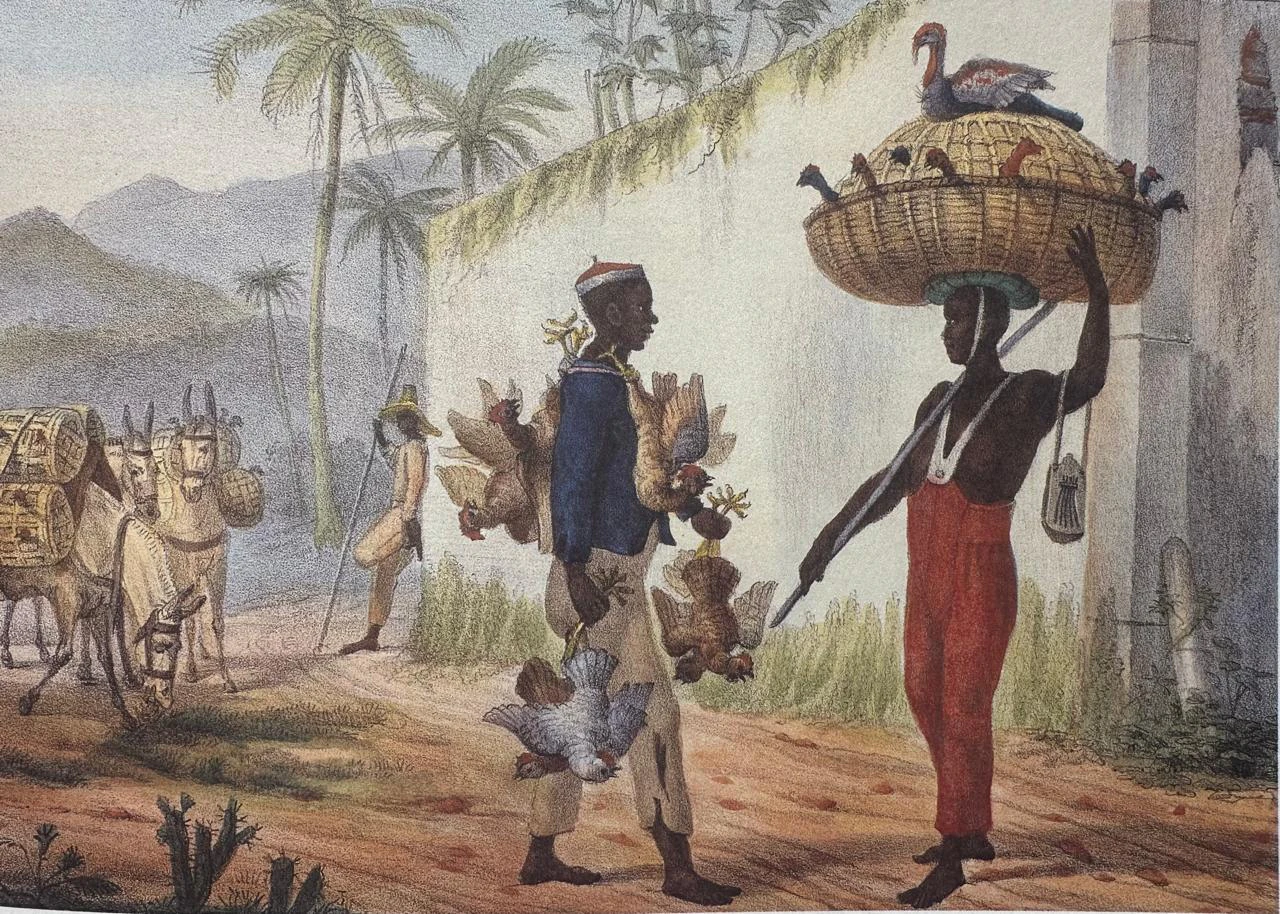
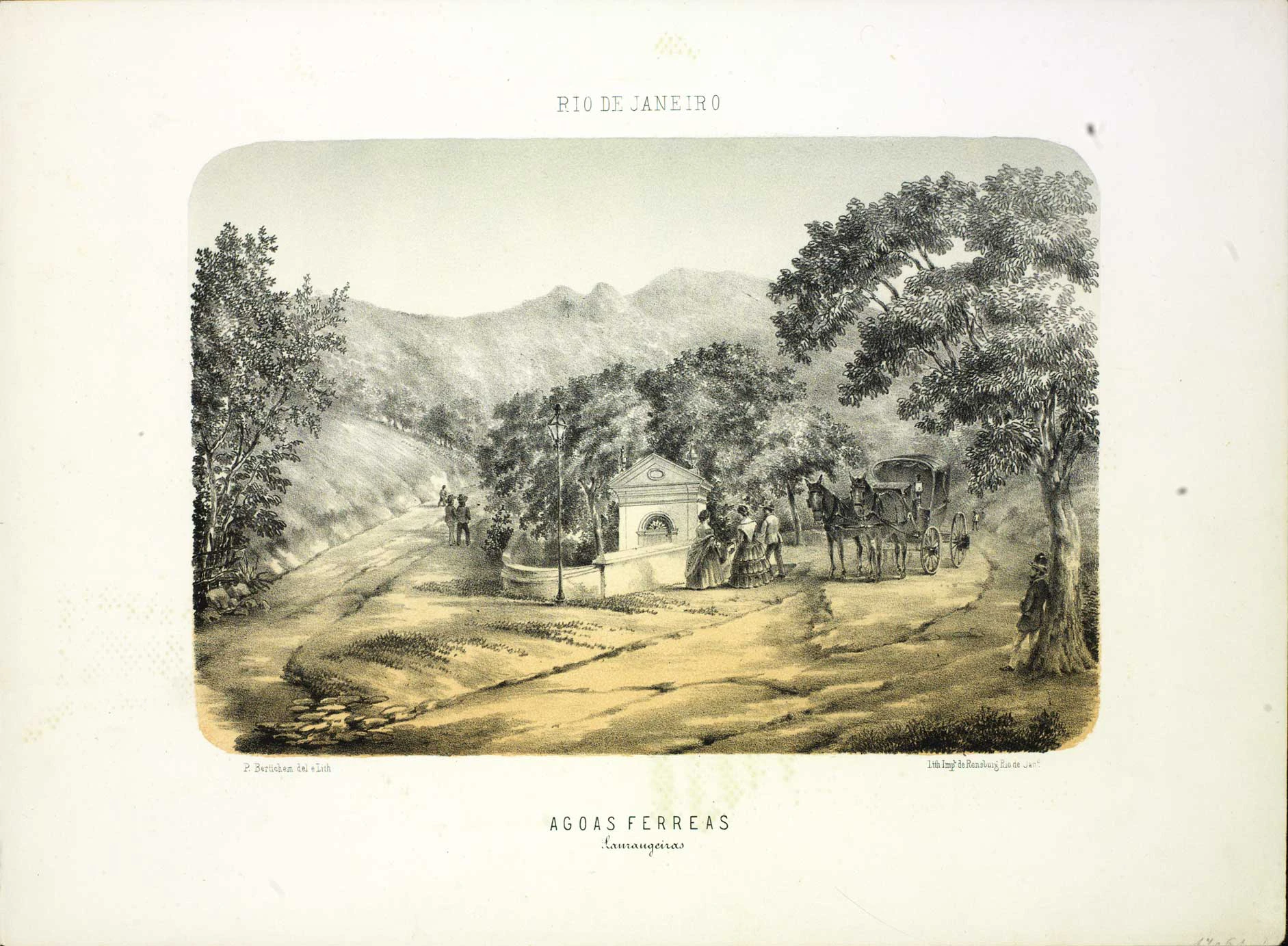
A água doce do Rio Carioca, no século XVI, era monopólio indígena e quem tentasse abastecer seu barco sem algum escambo era recebido “calorosamente” a flechadas. O ponto em que embarcações atracavam e a recolhiam era chamado de "aguada dos marinheiros".
In the 16th century, the fresh water of the Rio Carioca was an indigenous monopoly and anyone who tried to supply their boat without some barter was given a “warm” welcome with arrows. The point where boats docked and collected them was called "sailors' watering hole".
Navegue por categoria
Browse by category
Cardápios
Menus
Estabelecimentos
Establishments
Bairros
Neighborhoods
Municípios
Municipalities