Home
Instituto
Institute
Restaurantes
Restaurants
Novidades
News
Territórios
Territories
Educação
Education
Produtos
Products
Conecte-se
Contact
EN
Navegue por categoria
Browse by category
Cardápios
Menus
Estabelecimentos
Establishments
Bairros
Neighborhoods
Municípios
Municipalities
Influências
Influences
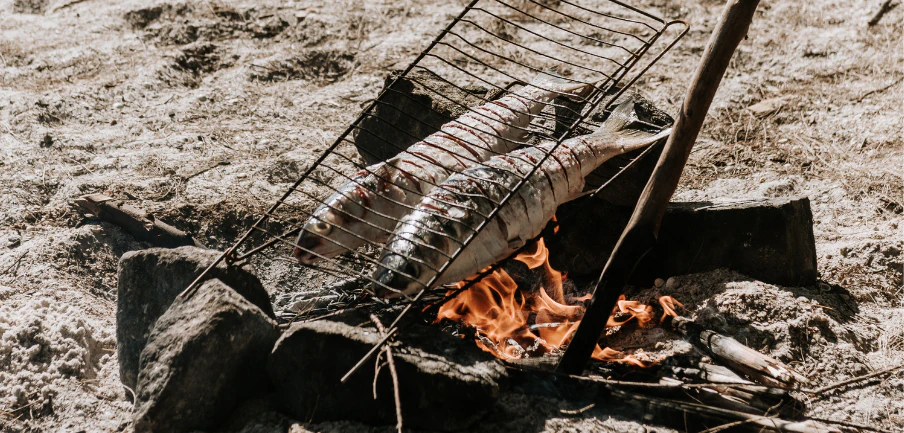
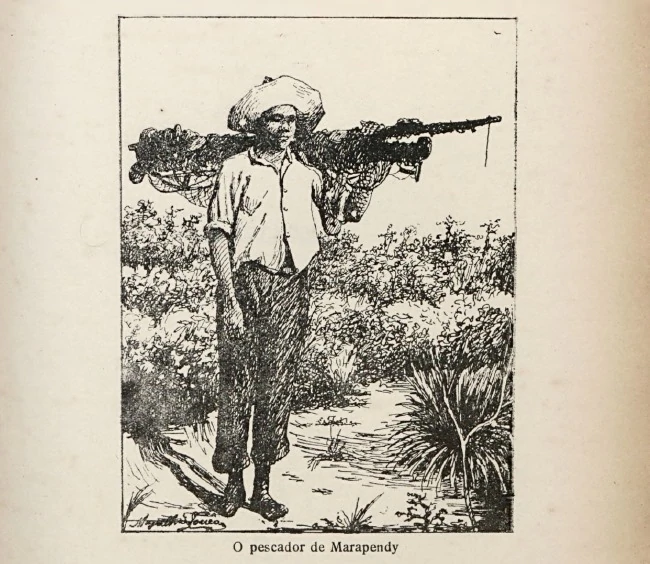
No tempo em que a Barra da Tijuca era um imenso território pouco explorado, a figura do “pombeiro” vencia as distâncias entre as pequenas casas da região para levar peixes no lombo do cavalo. O pesquisador Pedro Mello e Souza traz os detalhes deste personagem tão importante para a formação
At a time when Barra da Tijuca was a vast and little explored territory, the figure of the “pombeiro” would travel the region to carry fish on horseback. Researcher Pedro Mello e Souza brings the details of this character who was so important in shaping the palate of the people of Rio.
continuar lendo
read more
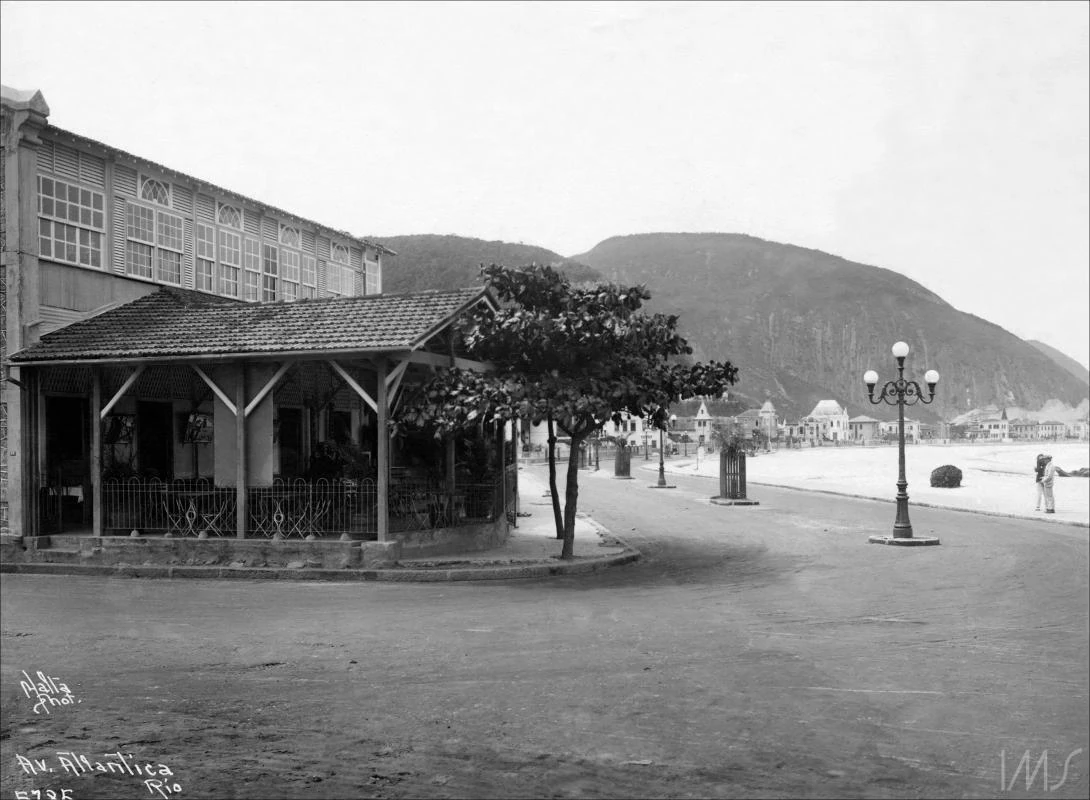
Por falar em personalidades, o presidente Washington Luis, quando foi deposto e preso no forte de Copacabana, em 1930, pedia todas as suas refeições de lá. No mesmo ano, no entanto, o restaurante entraria em falência e viraria, em seguida, o Cassino Atlântico, depois a TV Rio, um shopping center
“The ladies would pass by my grocery store in the Market, giving me angry looks, because I demeaned the white color.” The restaurant that was the first hot spot of Copacabana, opened in 1902, it was right in front of where today is the Z-13 fishing colony, on the corner of the current Francisco Ot
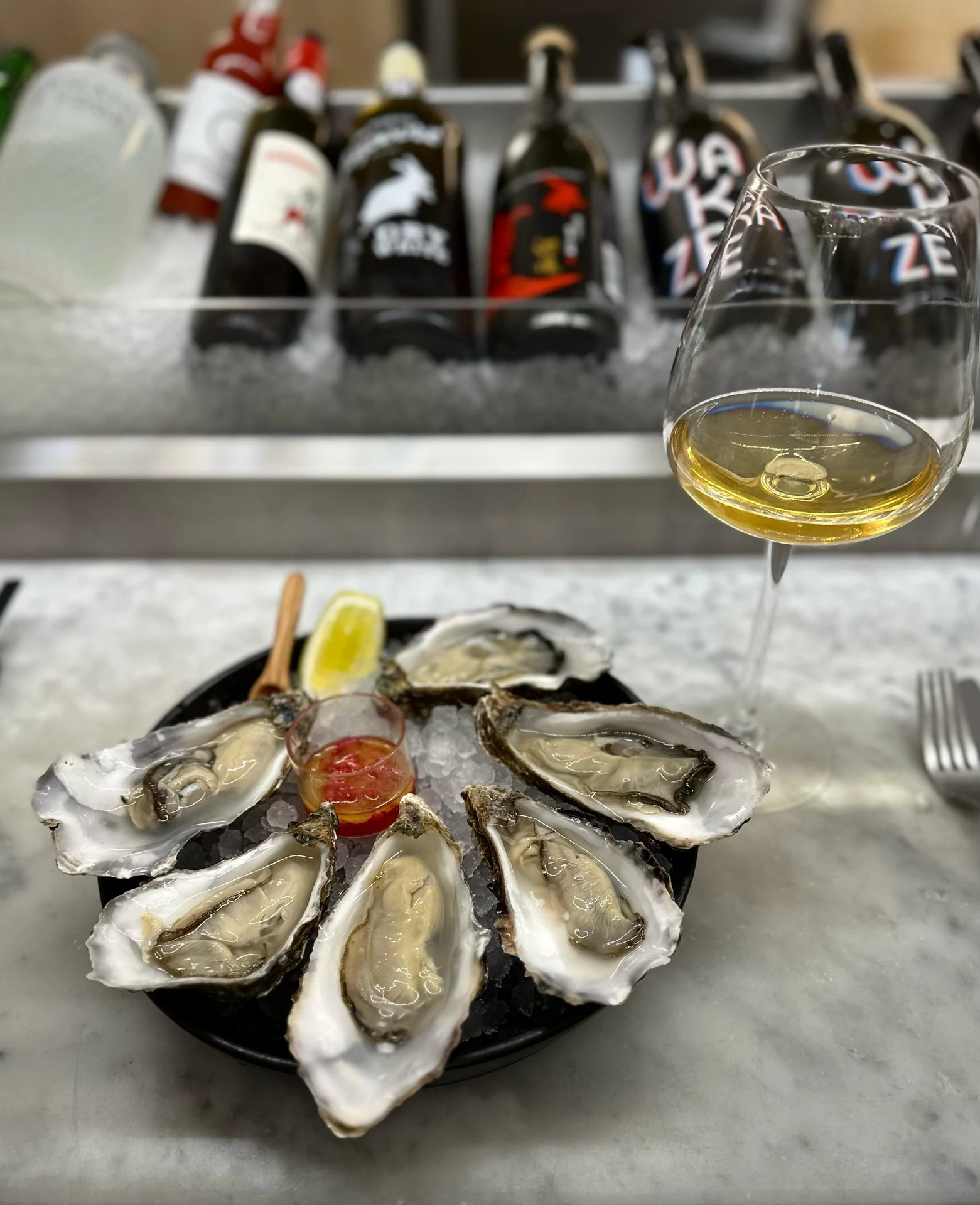
Você concorda com essas harmonizações? Ostras sempre foram assunto nas mesas cariocas. Mas… acompanhadas de quê? Vimos mais de meio século (de 1841 a 1910) do hábito de comê-las com vinho branco (fosse qual fosse), no Mercado Municipal, mas há combinações mais específicas:
Oysters have always been a hot topic at Rio de Janeiro's tables. But... with what? We saw over half a century (from 1841 to 1910) of the habit of eating them with white wine (no matter what it was) at the Municipal Market, but there are more specific combinations:
Instituto Bazzar, em busca do sabor perdido do Rio de Janeiro Cristiana Beltrão criou o Instituto Bazzar com o propósito de descobrir, revelar, definir e divulgar a identidade gastronômica perdida do Rio de Janeiro. Xavier Agulló - 31/01/2025 Há seis meses Cristiana Beltrão, uma mulher de in...
Bazzar Institute: the search of Rio de Janeiro's lost flavors Cristiana Beltrão founded the Bazzar Institute with the purpose of discovering, unveiling, defining, and promoting the lost culinary identity of Rio de Janeiro. Xavier Agulló - 31/01/2025 Six months ago, Cristiana Beltrão, a woman...
“Art. 1° Fica proibida a pesca, de qualquer modo que seja, para fora da foz da lagoa de Jacarepaguá, designada com o nome de Barra da Tijuca. A câmara designará por balizas de um e outro lado da lagoa a linha divisória a quem da qual somente fica permitida a pesca.
In other words, for environmental or economic reasons, almost 200 years ago the need to follow the rhythm of nature was recognized. Art. 2. It is also prohibited to fish at the mouth of the Guaratiba bar using nets called cast nets and three meshes, in the months from May to August inclusive.”
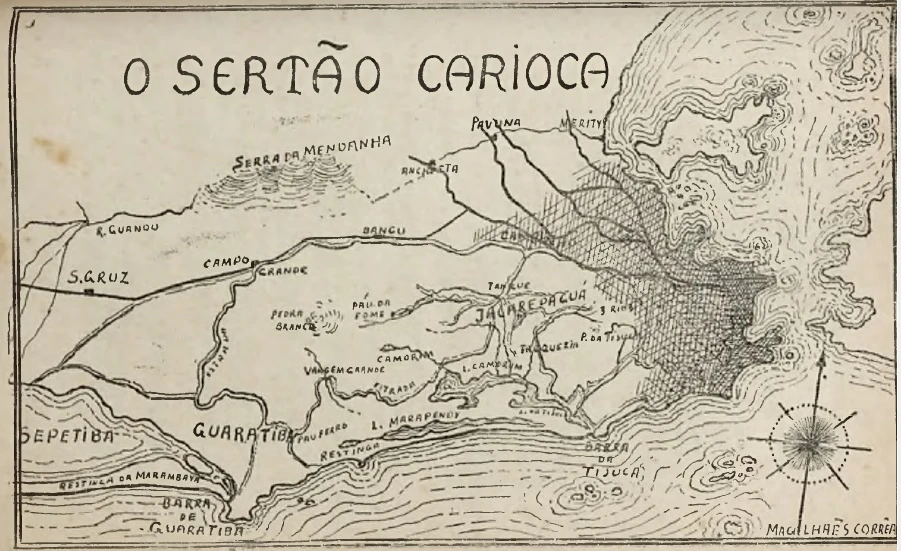
O Rio de Janeiro, quem diria, teve um Sertão pra chamar de seu. Chamada de “Sertão Carioca” até o início do século passado, a região da Barra da Tijuca e arredores foi, por séculos, uma área isolada da cidade. O que era um grande território indígena, com a chegada dos portugueses, passou...
Despite the local production, which was difficult to flow around, that part was still very rustic compared to the rest of the city. Until the 1930s, the inhabitants of Barra hunted, fished, and had small subsistence farms. These habits, today stand as a testament to the poetry of indigenous life...