Home
Instituto
Institute
Restaurantes
Restaurants
Novidades
News
Territórios
Territories
Educação
Education
Produtos
Products
Conecte-se
Contact
EN
Navegue por categoria
Browse by category
Cardápios
Menus
Estabelecimentos
Establishments
Bairros
Neighborhoods
Municípios
Municipalities
Influências
Influences
O Rio é famoso pela beleza dramática que une mar e montanha. Aliás, o termo “mar e montanha” no prato, fortemente associado à cozinha catalã, também faz todo sentido pela nossa geografia.
Rio is famous for its dramatic beauty that unites sea and mountains. In fact, the term “mar y montaña” in the dish, strongly associated with Catalan cuisine, also makes perfect sense, here.
continuar lendo
read more
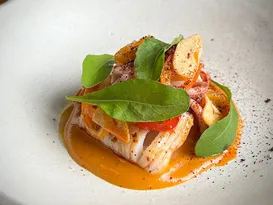
Restaurante do chef Lucio Vieira, é pioneiro ao trazer a biodiversidade brasileira à mesa, o que o levou a ser uma referência na gastronomia contemporânea carioca.
Chef Lucio Vieira's restaurant is a pioneer in bringing Brazilian biodiversity to the table, making it a reference in contemporary Rio de Janeiro gastronomy.
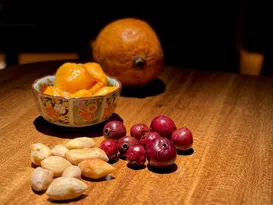
No restaurante, em Copacabana, sobremesas com frutas da Mata Atlântica combinam ingredientes brasileiros e asiáticos.
At the restaurant in Copacabana, desserts with fruits from the Atlantic Forest combine Brazilian and Asian ingredients.
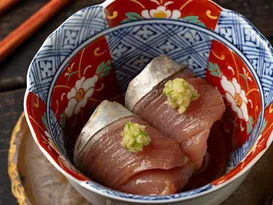
Omakase, em Copacabana, traz peixes brasileiros típicos do outono, como carapau e olho de boi.
Omakase, in Copacabana, offers typical Brazilian autumn fish, such as horse mackerel and amberjack.
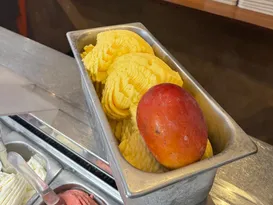
Caju, jaboticaba ou bacuri. Nossas frutas nativas sempre fizeram sucesso como sorvetes, no Rio.
Cashew, jaboticaba or bacuri. Our native fruits have always been a hit as ice creams, ever since they became popular in Rio.
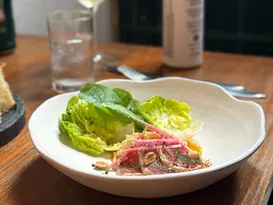
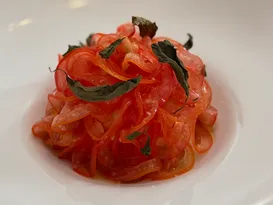
Um simples prato de tomates. Poderia ser banal se os tomates fossem de inverno, ácidos e secos.
A simple tomato dish. It could be ordinary if the tomatoes were from winter, acidic, and dry.