Home
Instituto
Institute
Restaurantes
Restaurants
Novidades
News
Territórios
Territories
Educação
Education
Produtos
Products
Conecte-se
Contact
EN
Navegue por categoria
Browse by category
Cardápios
Menus
Estabelecimentos
Establishments
Bairros
Neighborhoods
Municípios
Municipalities
Influências
Influences
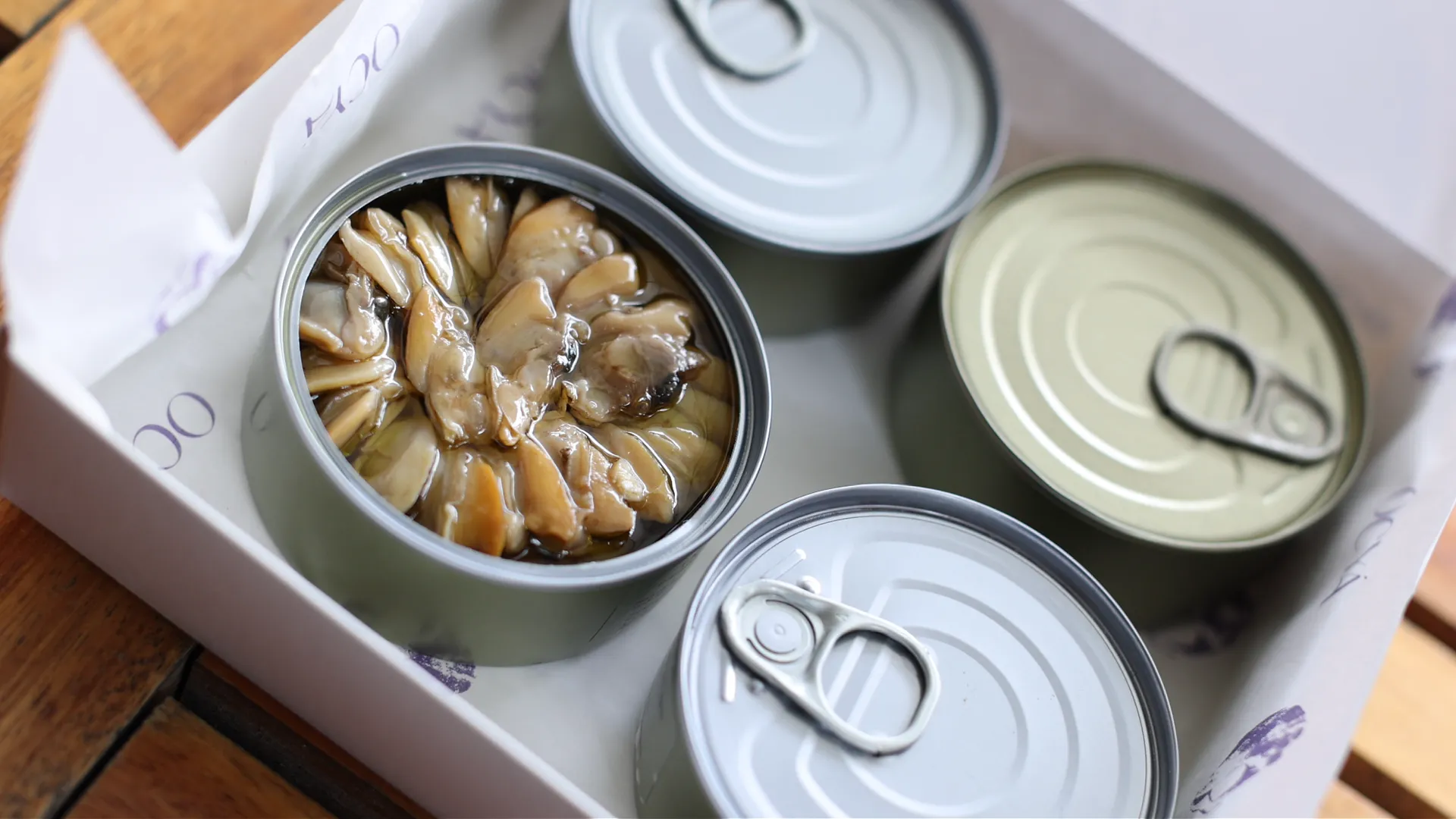
Desde a chegada da Côrte ao Brasil, ostras, lampreias, atuns, lagostas, salmão, sável e mexilhões de Aveiro eram importados em escabeche. O ‘sikbaj’, método de preservação em vinagre e especiarias herdado dos mouros, foi amplamente utilizado nos países ibéricos, também para peixes, e calhou de facil
Since the arrival of the Portuguese Court in Brazil, oysters, lampreys, tuna, lobsters, salmon, shad, and mussels from Aveiro were imported in escabeche. The 'sikbaj', a method of preservation in vinegar and spices inherited from the Moors, was widely used in the Iberian countries, also fo
continuar lendo
read more
Às vésperas da chegada da família real, o censo de 1793 nos conta que São Sebastião do Rio de Janeiro tinha 17 casas de pasto (as precursoras dos restaurantes), 40 “casas de café” e 344 tabernas, mas todas confinadas ao centro da cidade para dar de comer e beber aos viajantes, profissionais liberais
In that valley, life was made of the ups and downs of ox carts bordering the river. The history of the street is inseparable from the Carioca River—the city's main source of fresh water until the end of the Empire—since the street's design was sculpted by the trails and paths that bordered its...
A dieta vegetariana do século XIX, no Rio de Janeiro, se inspirava no modelo inglês da Vegetarian Society e seus 3.000 sócios. Não pregava apenas “não matar animais”. Num artigo do Auxiliador da Indústria Nacional, de 1861, a “seita dos legumistas” implicava também em não juntar sal ou especiarias a
In the last century, in the 1970s, the so-called "natural" food movement in Rio and vegetarianism had a lot of overlap. Not surprisingly, the natural sandwich, a staple of the health-conscious generation's diet, became associated with the culture of outdoor sports, such as hang gliding and, especial
A vinda da Côrte Portuguesa para o Brasil trouxe um hábito, no prato: o de comer aves de caça. No Rio de Janeiro, entre o fim do século XIX e o início do XX, macucos, inhambús, e também perus, desfilavam nos cardápios mais nobres, sobretudo em Laranjeiras, então reduto elegante de veraneio.
The arrival of the Portuguese Court in Brazil brought a custom to the table: eating game birds. In Rio de Janeiro, between the late 19th and early 20th centuries, tinamous, small-billed tinamous, and also turkeys, were on the finest menus, especially in Laranjeiras, then an elegant summer retreat.
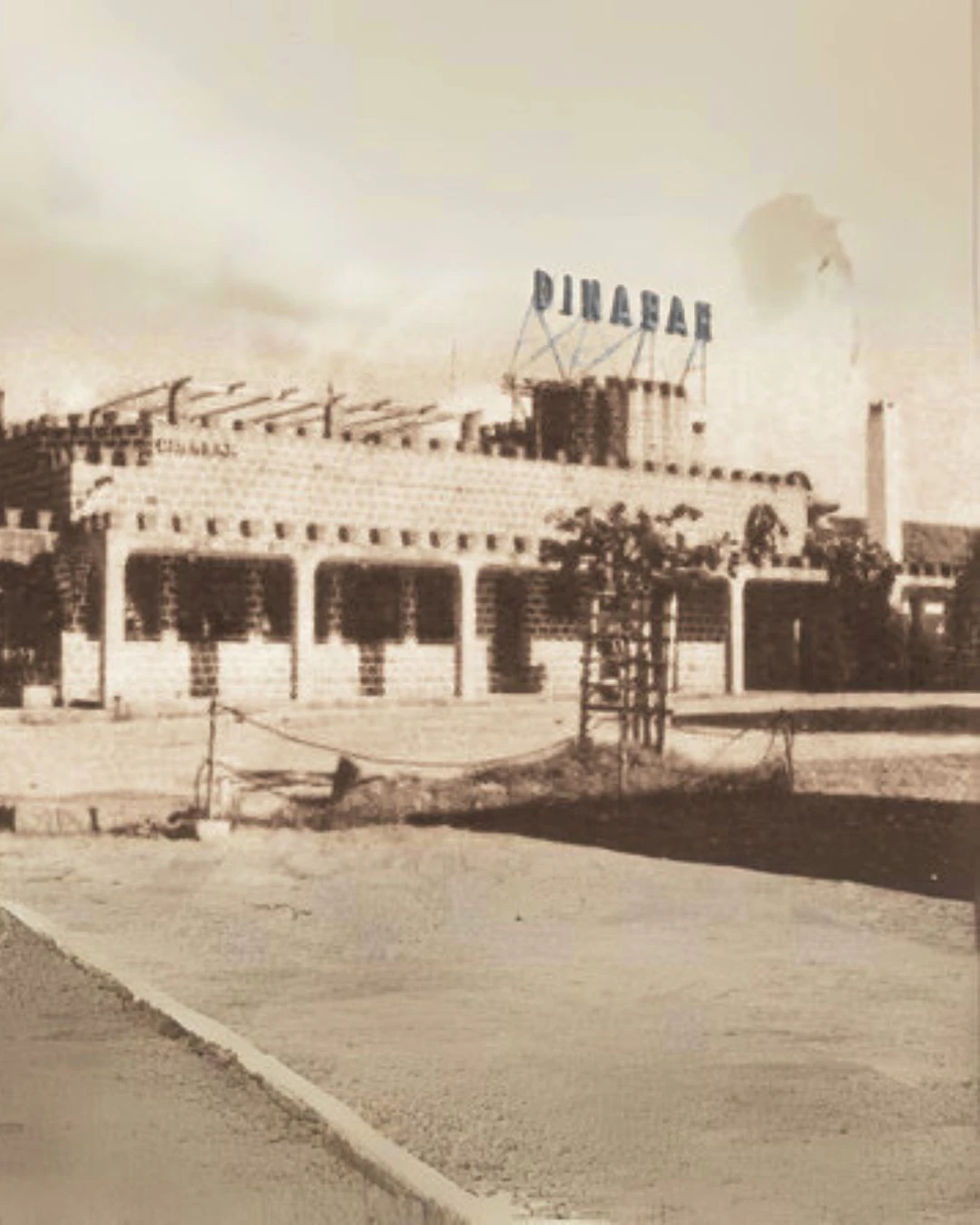
Na década de 1950, camarões fritos e cerveja gelada atraíam cariocas e estrangeiros à longínqua Barra da Tijuca, ainda com lagoas e manguezais preservados. Não havia ônibus, apenas uma estrada de terra que muitos enfrentavam para chegar ao Dina Bar, célebre pelos camarões ao alho e óleo servidos.
In the 1950s, fried shrimp and cold beer attracted locals and foreigners to the remote Barra da Tijuca, still home to pristine lagoons and mangroves. There were no buses, just a dirt road that many braved to reach Dina Bar, famous for its shrimp in garlic and oil sauce served year-round, Pernambuco.
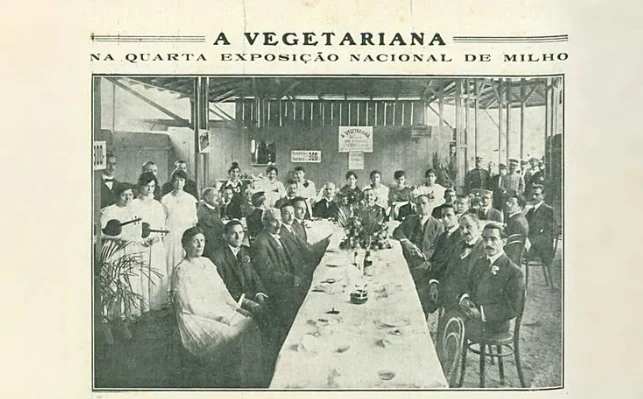
Em 1918, uma das revistas mais badaladas da época no Rio, a “Fon-Fon”, dedicou página inteira para a cobertura de um banquete vegetariano, então uma grande novidade. O evento aconteceu no pavilhão do restaurante carioca “A Vegetariana” (Rua da Alfândega,120, Centro).
In 1918, one of the most popular magazines in Rio at the time, “Fon-Fon”, dedicated an entire page to covering a vegetarian banquet, which was a big novelty at the time. The event took place in the pavilion of the Rio’s restaurant “A Vegetariana” (Rua da Alfândega, 120, Centro) and featured