Home
Instituto
Institute
Restaurantes
Restaurants
Novidades
News
Territórios
Territories
Educação
Education
Produtos
Products
Conecte-se
Contact
EN
Navegue por categoria
Browse by category
Cardápios
Menus
Estabelecimentos
Establishments
Bairros
Neighborhoods
Municípios
Municipalities
Influências
Influences
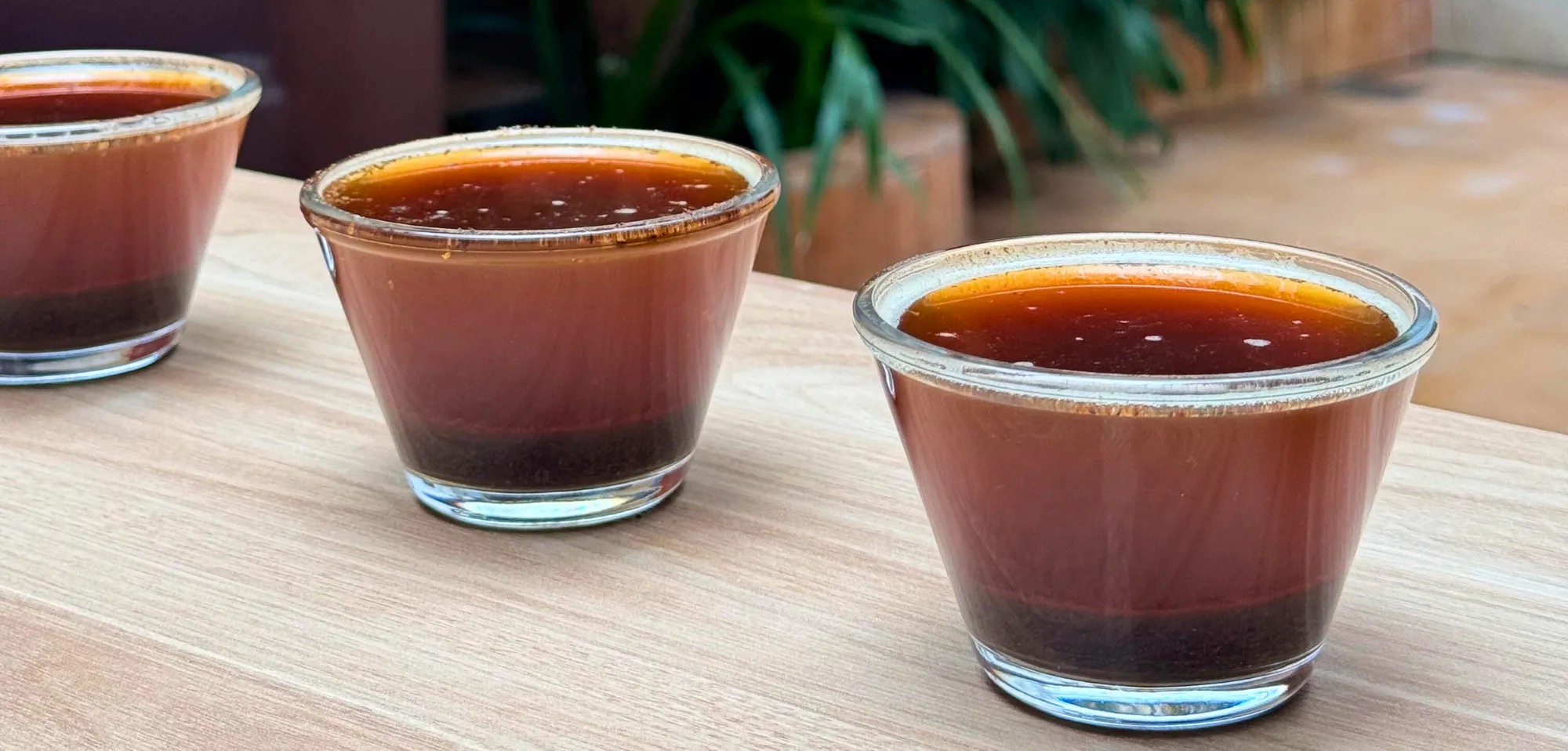
Café especial é outro assunto! Não é um “tipo”, é um manejo, um processo, que garante uma bebida com maior pontuação, sem defeitos, avaliada por provadores certificados. Desde o início da colheita, não fazemos outra coisa a não ser provar café.
Specialty coffee is a whole different ball game! It's not a "type," it's a management, a process, that guarantees a higher-scoring beverage, free of defects, evaluated by certified tasters. From the beginning of the harvest, we do nothing but taste coffee.
continuar lendo
read more
Por que é importante um restaurante trabalhar com café especial? Além da colheita seletiva, somente dos grãos maduros, o sabor é avaliado e classificado levando em conta ausência de defeitos, doçura, acidez e corpo. A etapa resulta em uma pontuação de 0 a 100.
Why is it important for a restaurant to work with specialty coffee? In addition to selective harvesting, using only ripe beans, the flavor is evaluated and classified taking into account the absence of defects, sweetness, acidity, and body. This step results in a score from 0 to 100.
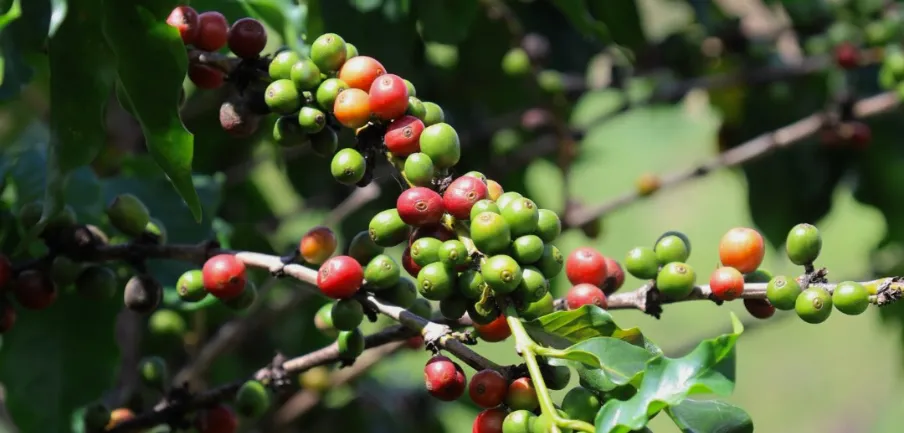
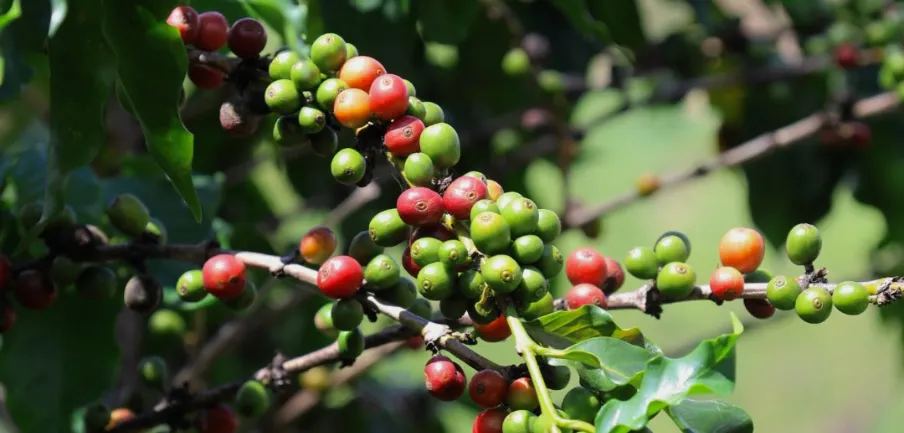
A colheita do café acaba de começar nas principais regiões produtoras do país, e nós, do Instituto Bazzar, queremos identificar os melhores grãos do Estado do Rio de Janeiro. Para isso, visitamos produtores, percorremos os cafezais, conferimos os aspectos sustentáveis do cultivo e retornamos.
The coffee harvest has just begun in the country's main producing regions, and we at the Bazzar Institute want to identify the best beans in the state of Rio de Janeiro. To do this, we visited producers, toured the coffee plantations, checked the sustainable aspects of cultivation, and returned.
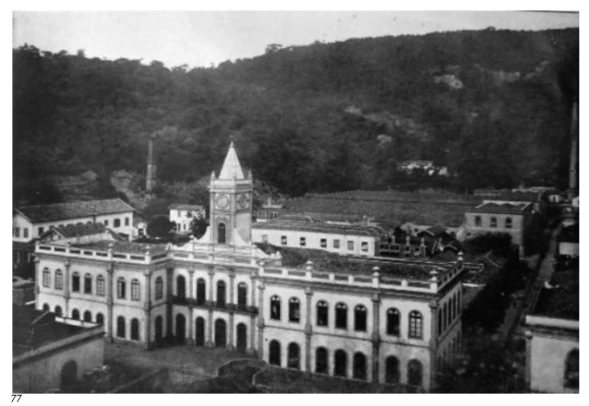
Às vésperas da chegada da família real, o censo de 1793 nos conta que São Sebastião do Rio de Janeiro tinha 17 casas de pasto (as precursoras dos restaurantes), 40 “casas de café” e 344 tabernas, mas todas confinadas ao centro da cidade para dar de comer e beber aos viajantes, profissionais liberais
In that valley, life was made of the ups and downs of ox carts bordering the river. The history of the street is inseparable from the Carioca River—the city's main source of fresh water until the end of the Empire—since the street's design was sculpted by the trails and paths that bordered its...