Home
Instituto
Institute
Restaurantes
Restaurants
Novidades
News
Territórios
Territories
Educação
Education
Produtos
Products
Conecte-se
Contact
EN
Navegue por categoria
Browse by category
Cardápios
Menus
Estabelecimentos
Establishments
Bairros
Neighborhoods
Municípios
Municipalities
Influências
Influences
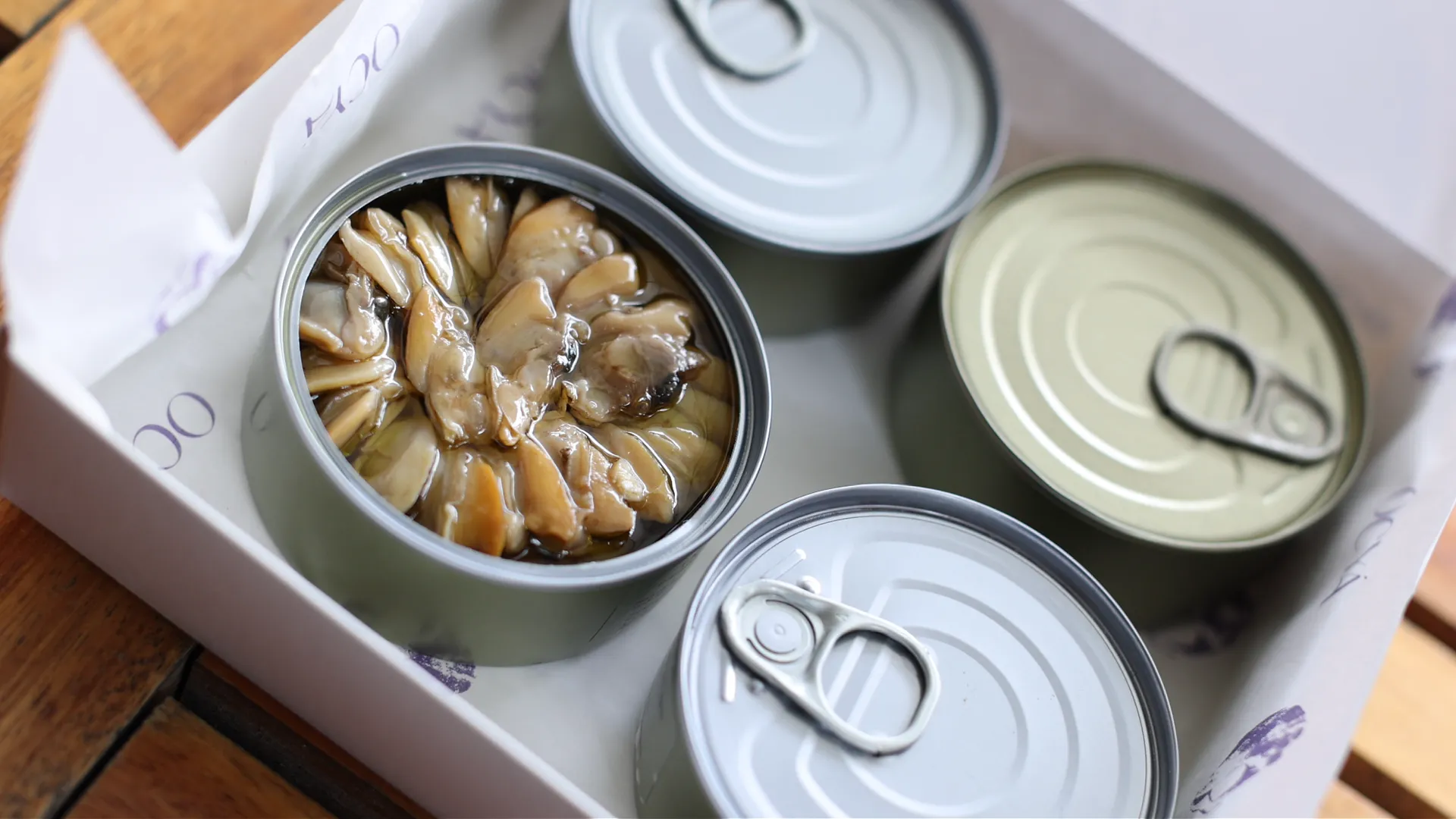
Desde a chegada da Côrte ao Brasil, ostras, lampreias, atuns, lagostas, salmão, sável e mexilhões de Aveiro eram importados em escabeche. O ‘sikbaj’, método de preservação em vinagre e especiarias herdado dos mouros, foi amplamente utilizado nos países ibéricos, também para peixes, e calhou de facil
Since the arrival of the Portuguese Court in Brazil, oysters, lampreys, tuna, lobsters, salmon, shad, and mussels from Aveiro were imported in escabeche. The 'sikbaj', a method of preservation in vinegar and spices inherited from the Moors, was widely used in the Iberian countries, also fo
continuar lendo
read more
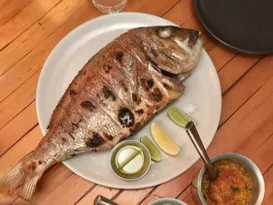
Como saber se um peixe é de pesca artesanal, num restaurante? @ian.medeiros.fx, pescador artesanal e sócio do Fixi, em Arraial do Cabo, dá algumas pistas: - Peixes de águas rasas, pescados próximo à costa, podem indicar que vieram de pequenos pescadores, já que os industriais não costumam.
How can you tell if a fish is from artisanal fishing in a restaurant? @ian.medeiros.fx, artisanal fisherman and co-proprietor of Fixi, in Arraial do Cabo, shares some tips. - Fish from shallow waters, caught close to the coast, may indicate that they come from local fishermen, since industrial
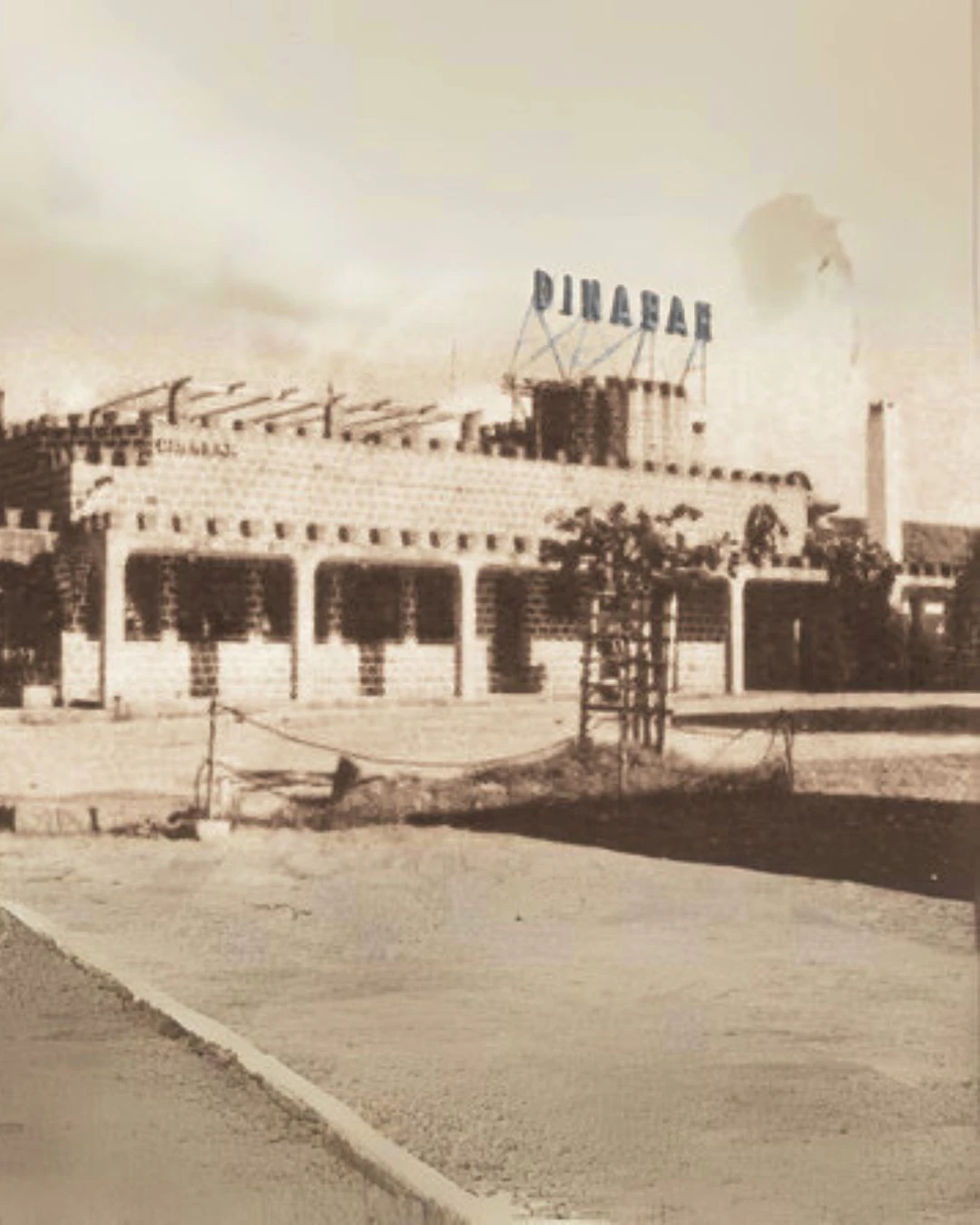
Na década de 1950, camarões fritos e cerveja gelada atraíam cariocas e estrangeiros à longínqua Barra da Tijuca, ainda com lagoas e manguezais preservados. Não havia ônibus, apenas uma estrada de terra que muitos enfrentavam para chegar ao Dina Bar, célebre pelos camarões ao alho e óleo servidos.
In the 1950s, fried shrimp and cold beer attracted locals and foreigners to the remote Barra da Tijuca, still home to pristine lagoons and mangroves. There were no buses, just a dirt road that many braved to reach Dina Bar, famous for its shrimp in garlic and oil sauce served year-round, Pernambuco.
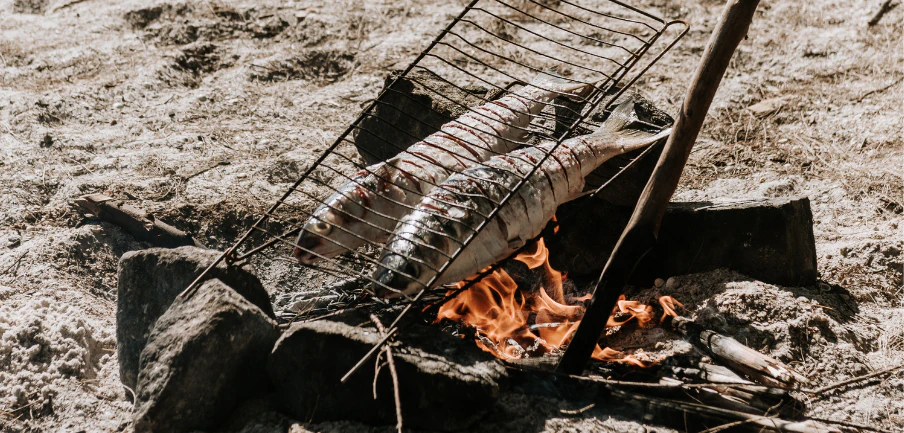
No tempo em que a Barra da Tijuca era um imenso território pouco explorado, a figura do “pombeiro” vencia as distâncias entre as pequenas casas da região para levar peixes no lombo do cavalo. O pesquisador Pedro Mello e Souza traz os detalhes deste personagem tão importante para a formação
At a time when Barra da Tijuca was a vast and little explored territory, the figure of the “pombeiro” would travel the region to carry fish on horseback. Researcher Pedro Mello e Souza brings the details of this character who was so important in shaping the palate of the people of Rio.
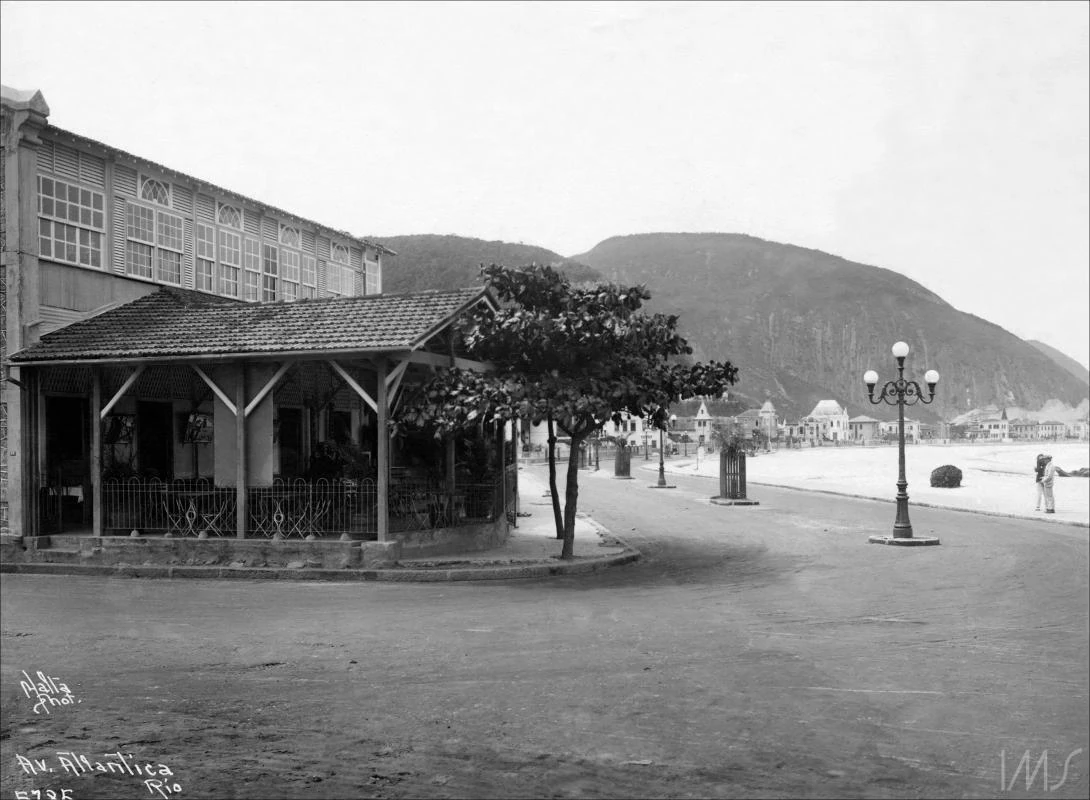
Por falar em personalidades, o presidente Washington Luis, quando foi deposto e preso no forte de Copacabana, em 1930, pedia todas as suas refeições de lá. No mesmo ano, no entanto, o restaurante entraria em falência e viraria, em seguida, o Cassino Atlântico, depois a TV Rio, um shopping center
“The ladies would pass by my grocery store in the Market, giving me angry looks, because I demeaned the white color.” The restaurant that was the first hot spot of Copacabana, opened in 1902, it was right in front of where today is the Z-13 fishing colony, on the corner of the current Francisco Ot