Home
Instituto
Institute
Restaurantes
Restaurants
Novidades
News
Territórios
Territories
Educação
Education
Produtos
Products
Conecte-se
Contact
EN
Navegue por categoria
Browse by category
Cardápios
Menus
Estabelecimentos
Establishments
Bairros
Neighborhoods
Municípios
Municipalities
Influências
Influences
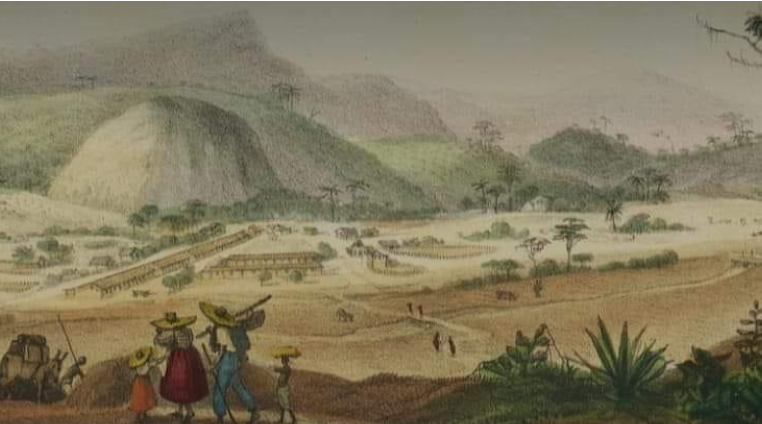
Em meados do século XIX, Nova Friburgo tornou-se importante exportadora de banha para a capital. Antes da geladeira, a banha era usada para conservar alimentos, de feijões e legumes a carnes. Em 1887, o Jornal do Commercio destaca os produtos da Fazenda Gavião, do Barão de Nova Friburgo, como “touci
In that same region, in Itaipava, the Faraona restaurant structured its concept around the cultivation of vegetables and legumes, the raising of goats and piglets, and the use of guinea fowl—or "faraonas," as they are called in Italian—a bird traditionally raised in the mountains. The concise menu i
continuar lendo
read more
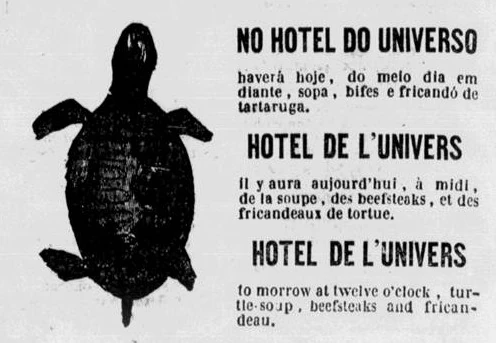
Da série PRATOS ESQUECIDOS. Comia-se tartaruga, no Rio. Era chique. Nas mesas da época do Império, vinham em bifes. Pastéis, fricassés e fricandós eram anunciados pelas casas de pasto; sopas de tartaruga abriam grandes banquetes.
From the series FORGOTTEN DISHES. Turtle was eaten in Rio. It was chic. On the tables during the Empire, it was served as steaks. Pastries, fricassés, and fricandós were advertised by the taverns; turtle soups opened grand banquets.
A moda dos piqueniques-banquete no Jardim Botânico não era brincadeira: O cardápio da comissão chinesa (1885) trazia embutidos, conservas, manteiga e sardinhas, omelete com trufas, peixe com lagostins, camarões recheados, filet com champignons, arroz ao curry, maionese de lagosta...
The trend of picnic banquets in the Botanical Garden was no joke: The menu of the Chinese commission (1885) included cold cuts, preserves, butter and sardines, omelette with truffles, fish with lobster, stuffed shrimp, filet with mushrooms, curry rice, lobster mayonnaise, Brazilian turkey, York...