Home
Instituto
Institute
Restaurantes
Restaurants
Novidades
News
Territórios
Territories
Educação
Education
Produtos
Products
Conecte-se
Contact
EN
Navegue por categoria
Browse by category
Cardápios
Menus
Estabelecimentos
Establishments
Bairros
Neighborhoods
Municípios
Municipalities
Influências
Influences
A dieta vegetariana do século XIX, no Rio de Janeiro, se inspirava no modelo inglês da Vegetarian Society e seus 3.000 sócios. Não pregava apenas “não matar animais”. Num artigo do Auxiliador da Indústria Nacional, de 1861, a “seita dos legumistas” implicava também em não juntar sal ou especiarias a
In the last century, in the 1970s, the so-called "natural" food movement in Rio and vegetarianism had a lot of overlap. Not surprisingly, the natural sandwich, a staple of the health-conscious generation's diet, became associated with the culture of outdoor sports, such as hang gliding and, especial
continuar lendo
read more
Em meados do século XIX, Nova Friburgo tornou-se importante exportadora de banha para a capital. Antes da geladeira, a banha era usada para conservar alimentos, de feijões e legumes a carnes. Em 1887, o Jornal do Commercio destaca os produtos da Fazenda Gavião, do Barão de Nova Friburgo, como “touci
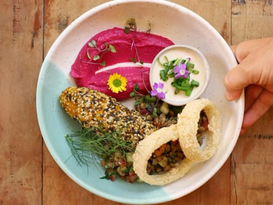
In that same region, in Itaipava, the Faraona restaurant structured its concept around the cultivation of vegetables and legumes, the raising of goats and piglets, and the use of guinea fowl—or "faraonas," as they are called in Italian—a bird traditionally raised in the mountains. The concise menu i
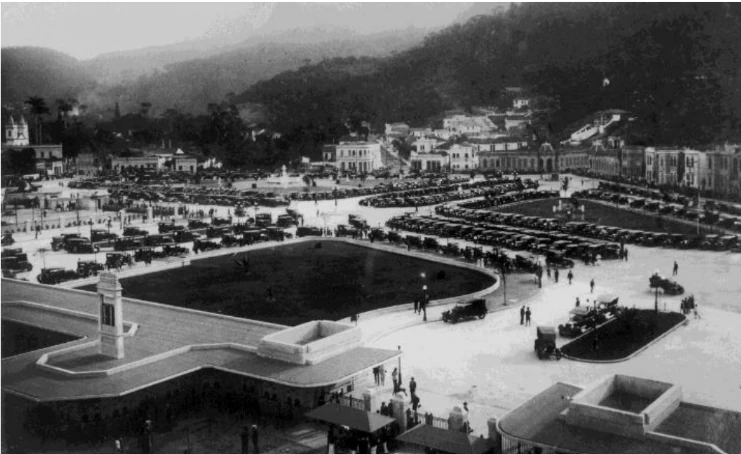
Por falar em personalidades, o presidente Washington Luis, quando foi deposto e preso no forte de Copacabana, em 1930, pedia todas as suas refeições de lá. No mesmo ano, no entanto, o restaurante entraria em falência e viraria, em seguida, o Cassino Atlântico, depois a TV Rio, um shopping center
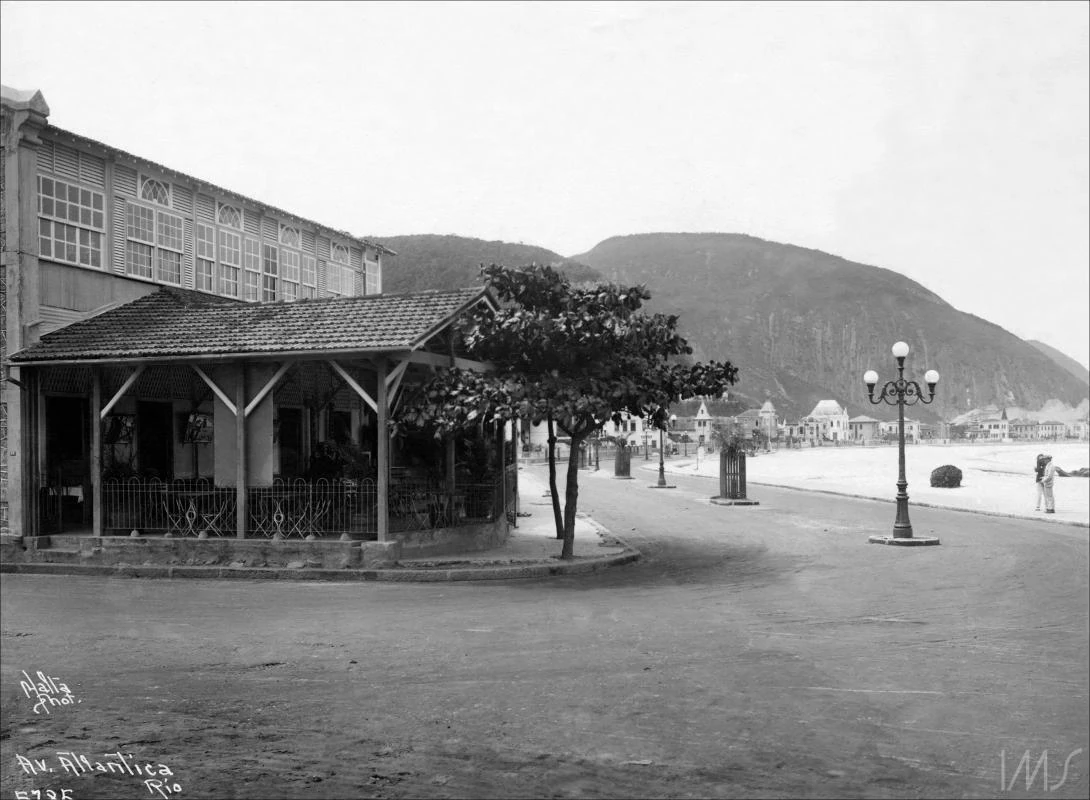
“The ladies would pass by my grocery store in the Market, giving me angry looks, because I demeaned the white color.” The restaurant that was the first hot spot of Copacabana, opened in 1902, it was right in front of where today is the Z-13 fishing colony, on the corner of the current Francisco Ot
A moda dos piqueniques-banquete no Jardim Botânico não era brincadeira: O cardápio da comissão chinesa (1885) trazia embutidos, conservas, manteiga e sardinhas, omelete com trufas, peixe com lagostins, camarões recheados, filet com champignons, arroz ao curry, maionese de lagosta...
The trend of picnic banquets in the Botanical Garden was no joke: The menu of the Chinese commission (1885) included cold cuts, preserves, butter and sardines, omelette with truffles, fish with lobster, stuffed shrimp, filet with mushrooms, curry rice, lobster mayonnaise, Brazilian turkey, York...
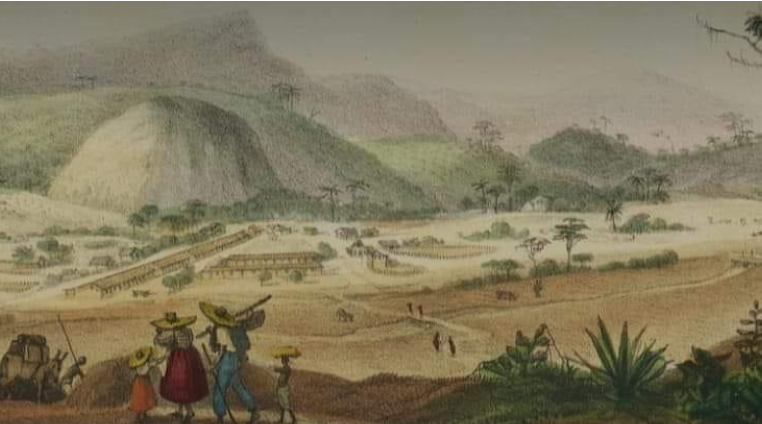
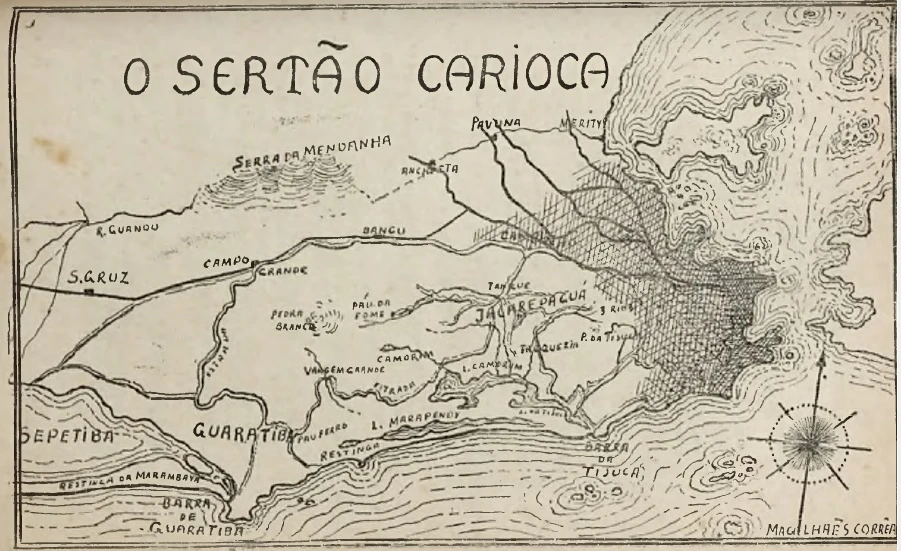
O Rio de Janeiro, quem diria, teve um Sertão pra chamar de seu. Chamada de “Sertão Carioca” até o início do século passado, a região da Barra da Tijuca e arredores foi, por séculos, uma área isolada da cidade. O que era um grande território indígena, com a chegada dos portugueses, passou...
Despite the local production, which was difficult to flow around, that part was still very rustic compared to the rest of the city. Until the 1930s, the inhabitants of Barra hunted, fished, and had small subsistence farms. These habits, today stand as a testament to the poetry of indigenous life...