Home
Instituto
Institute
Restaurantes
Restaurants
Novidades
News
Territórios
Territories
Educação
Education
Produtos
Products
Conecte-se
Contact
EN
Navegue por categoria
Browse by category
Cardápios
Menus
Estabelecimentos
Establishments
Bairros
Neighborhoods
Municípios
Municipalities
Influências
Influences
Do importado, no século XIX, até os atuais rótulos artesanais
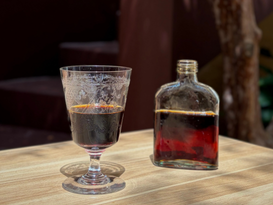
What was the first vermouth in history? Nobody knows. In China, fermented beverages have been infused since 6200 BC. In Rio de Janeiro, it's an old love affair. The first brand to enter the country was "Vermouth di Turim, of supe
continuar lendo
read more
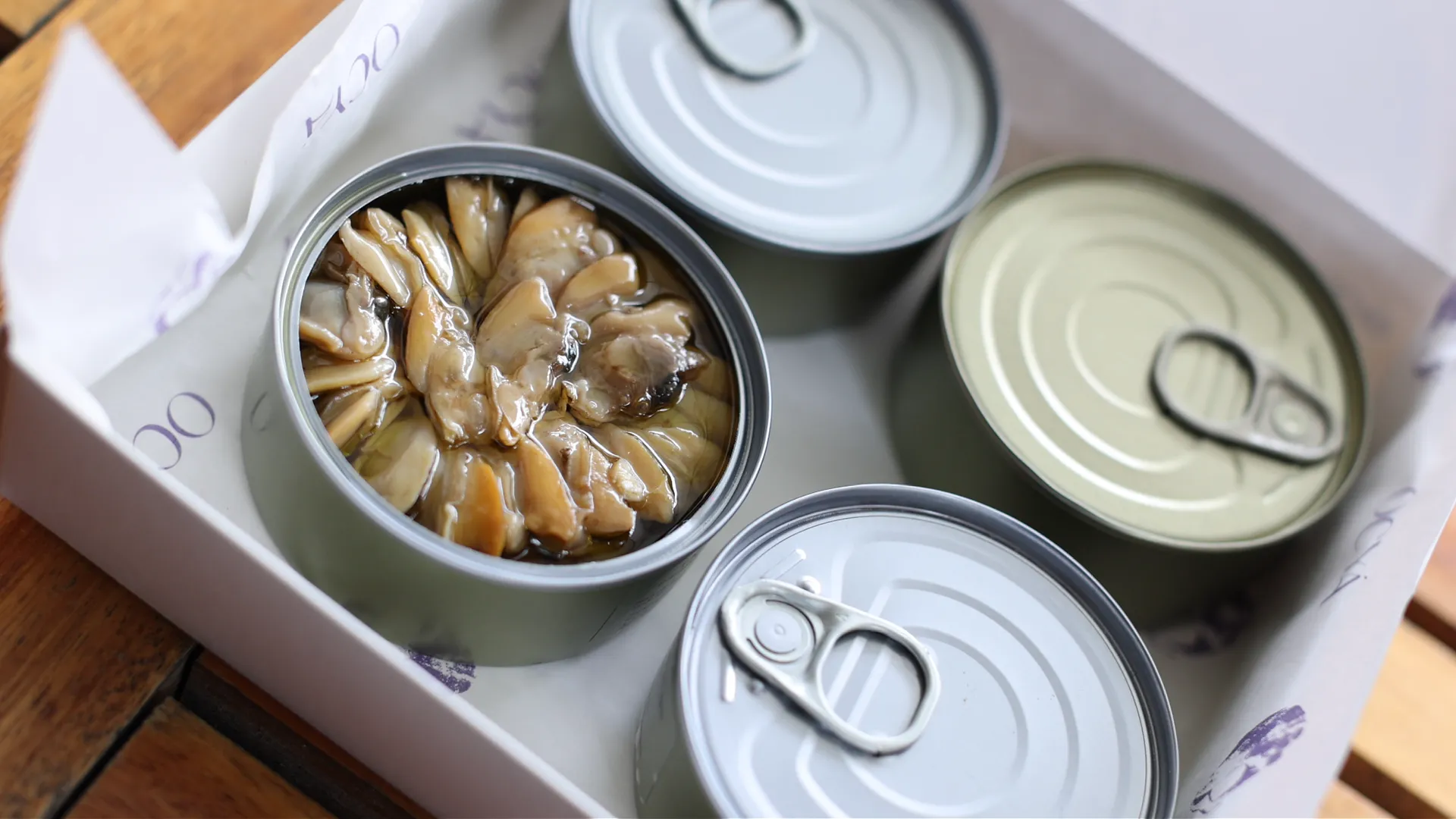
Desde a chegada da Côrte ao Brasil, ostras, lampreias, atuns, lagostas, salmão, sável e mexilhões de Aveiro eram importados em escabeche. O ‘sikbaj’, método de preservação em vinagre e especiarias herdado dos mouros, foi amplamente utilizado nos países ibéricos, também para peixes, e calhou de facil
Since the arrival of the Portuguese Court in Brazil, oysters, lampreys, tuna, lobsters, salmon, shad, and mussels from Aveiro were imported in escabeche. The 'sikbaj', a method of preservation in vinegar and spices inherited from the Moors, was widely used in the Iberian countries, also fo
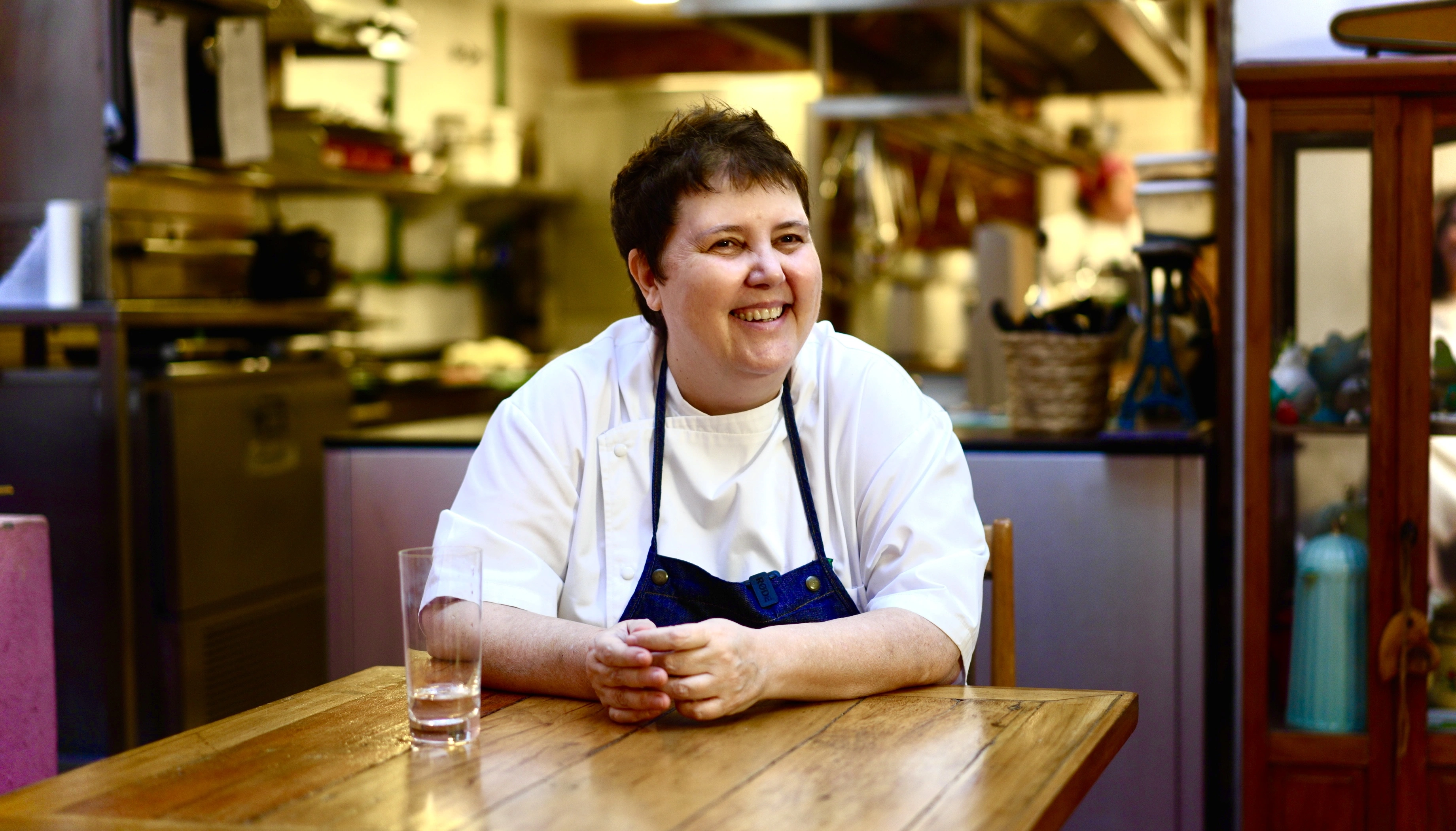
Em algum lugar da memória, existe a lembrança da “comida de avó”, a sensação de aconchego de estar na casa de alguém que pensou na refeição como um abraço. O Sud, o Pássaro Verde, de Roberta Sudbrack, é exatamente isso.
Somewhere in our memory, we can recall “grandmother’s food”, the cozy feeling of being in the home of someone who thought of the meal as a hug. Roberta Sudbrack’s Sud, o Pássaro Verde (Sud, the Green Bird), is exactly that.
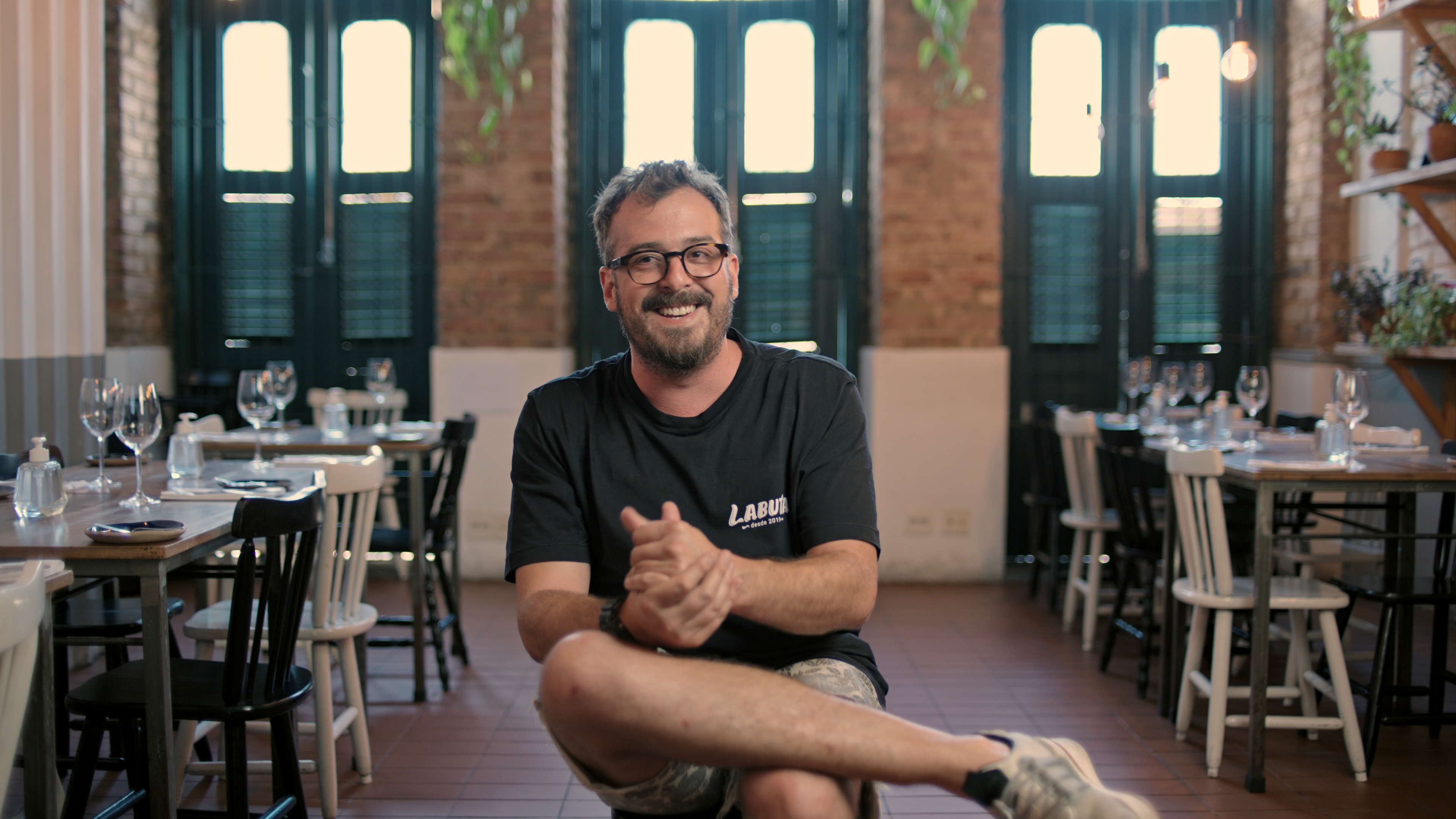
Frequentado, tanto por quem trabalha no bairro, como por quem cruza a cidade atrás de uma cozinha contemporânea brasileira de qualidade, o Lilia é estratégico também para quem busca as inúmeras atrações do centro histórico do Rio.
Frequented by both those who work in the neighborhood and those who cross the city in search of quality contemporary Brazilian cuisine, Lilia is also a strategic location for those seeking the many attractions of Rio's historic center.
A dieta vegetariana do século XIX, no Rio de Janeiro, se inspirava no modelo inglês da Vegetarian Society e seus 3.000 sócios. Não pregava apenas “não matar animais”. Num artigo do Auxiliador da Indústria Nacional, de 1861, a “seita dos legumistas” implicava também em não juntar sal ou especiarias a
In the last century, in the 1970s, the so-called "natural" food movement in Rio and vegetarianism had a lot of overlap. Not surprisingly, the natural sandwich, a staple of the health-conscious generation's diet, became associated with the culture of outdoor sports, such as hang gliding and, especial