Home
Instituto
Institute
Restaurantes
Restaurants
Novidades
News
Territórios
Territories
Educação
Education
Produtos
Products
Conecte-se
Contact
EN
Navegue por categoria
Browse by category
Cardápios
Menus
Estabelecimentos
Establishments
Bairros
Neighborhoods
Municípios
Municipalities
Influências
Influences
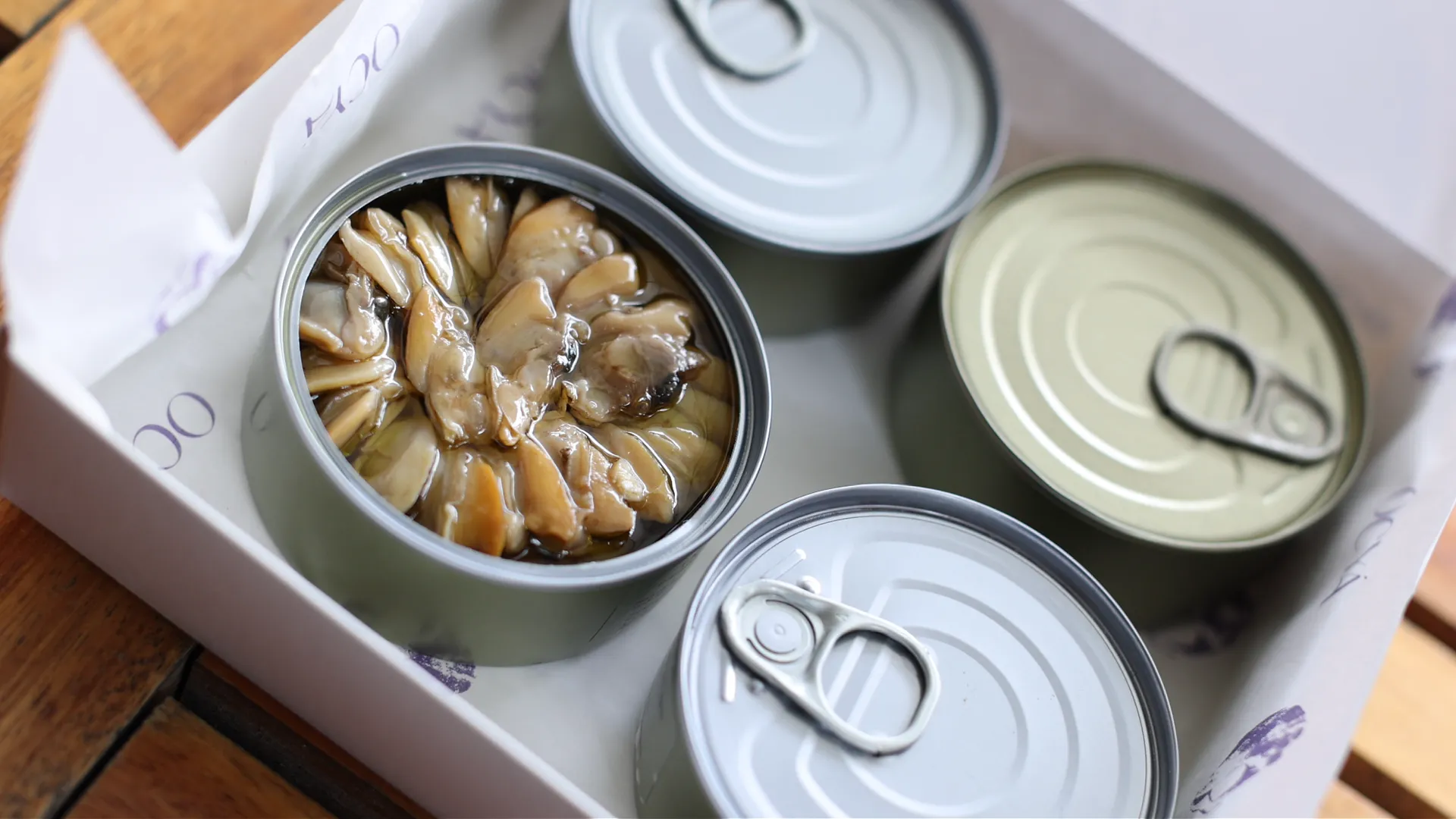
Desde a chegada da Côrte ao Brasil, ostras, lampreias, atuns, lagostas, salmão, sável e mexilhões de Aveiro eram importados em escabeche. O ‘sikbaj’, método de preservação em vinagre e especiarias herdado dos mouros, foi amplamente utilizado nos países ibéricos, também para peixes, e calhou de facil
Since the arrival of the Portuguese Court in Brazil, oysters, lampreys, tuna, lobsters, salmon, shad, and mussels from Aveiro were imported in escabeche. The 'sikbaj', a method of preservation in vinegar and spices inherited from the Moors, was widely used in the Iberian countries, also fo
continuar lendo
read more
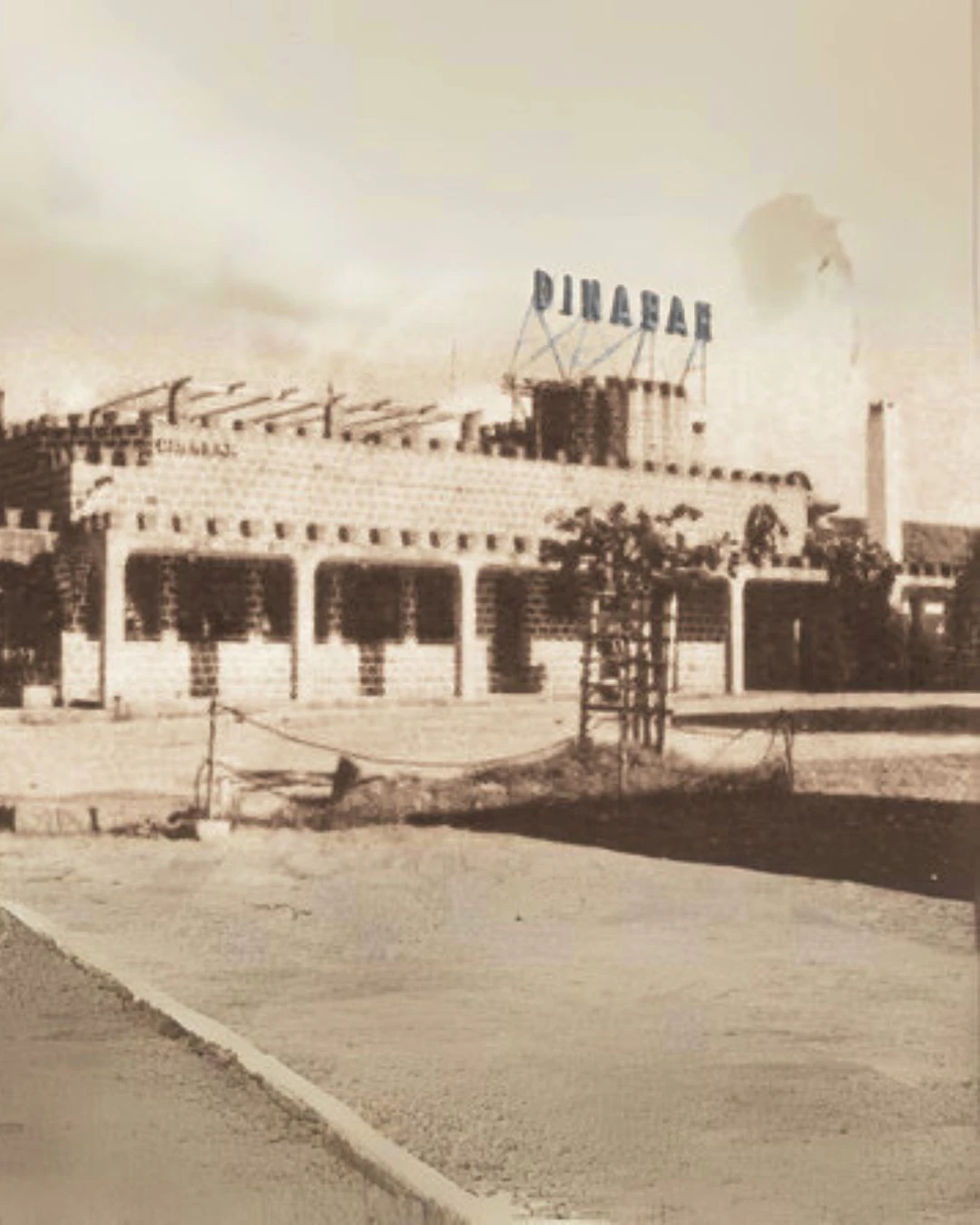
Na década de 1950, camarões fritos e cerveja gelada atraíam cariocas e estrangeiros à longínqua Barra da Tijuca, ainda com lagoas e manguezais preservados. Não havia ônibus, apenas uma estrada de terra que muitos enfrentavam para chegar ao Dina Bar, célebre pelos camarões ao alho e óleo servidos.
In the 1950s, fried shrimp and cold beer attracted locals and foreigners to the remote Barra da Tijuca, still home to pristine lagoons and mangroves. There were no buses, just a dirt road that many braved to reach Dina Bar, famous for its shrimp in garlic and oil sauce served year-round, Pernambuco.
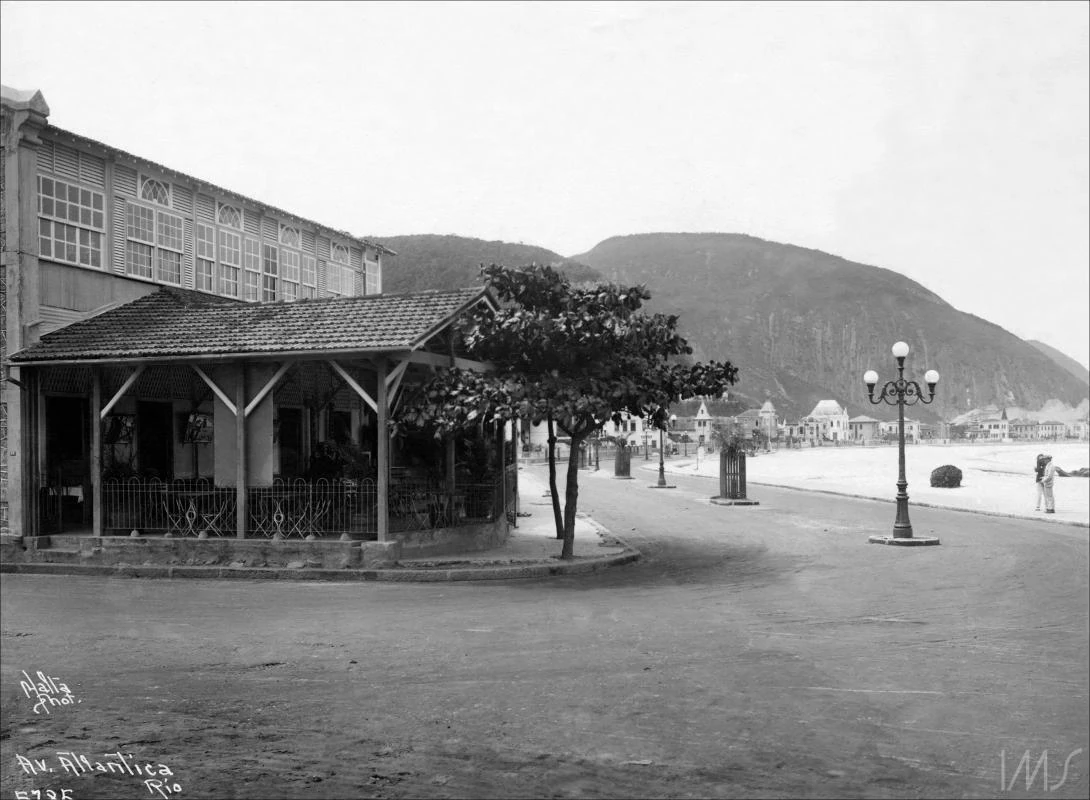
Por falar em personalidades, o presidente Washington Luis, quando foi deposto e preso no forte de Copacabana, em 1930, pedia todas as suas refeições de lá. No mesmo ano, no entanto, o restaurante entraria em falência e viraria, em seguida, o Cassino Atlântico, depois a TV Rio, um shopping center
“The ladies would pass by my grocery store in the Market, giving me angry looks, because I demeaned the white color.” The restaurant that was the first hot spot of Copacabana, opened in 1902, it was right in front of where today is the Z-13 fishing colony, on the corner of the current Francisco Ot
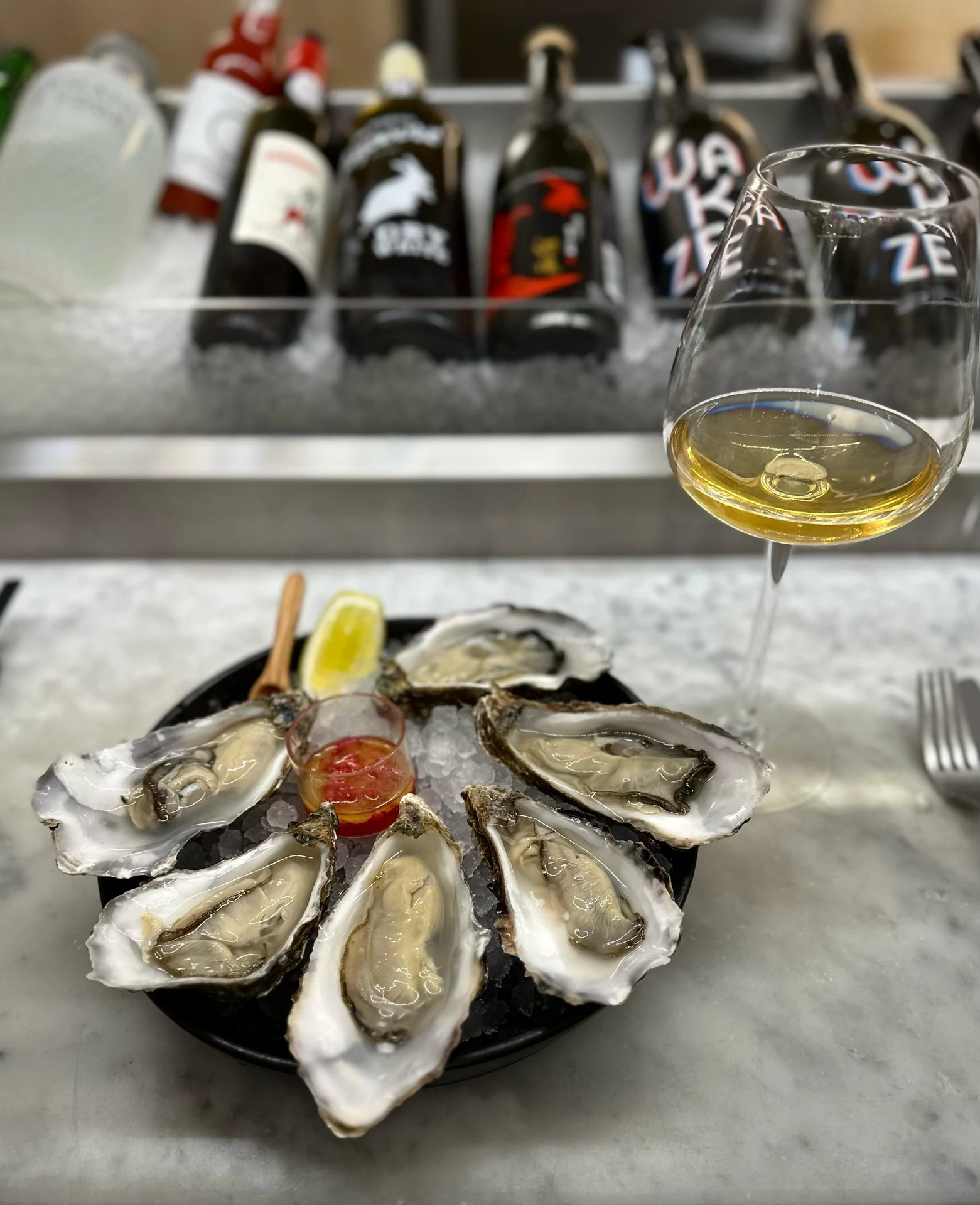
Você concorda com essas harmonizações? Ostras sempre foram assunto nas mesas cariocas. Mas… acompanhadas de quê? Vimos mais de meio século (de 1841 a 1910) do hábito de comê-las com vinho branco (fosse qual fosse), no Mercado Municipal, mas há combinações mais específicas:
Oysters have always been a hot topic at Rio de Janeiro's tables. But... with what? We saw over half a century (from 1841 to 1910) of the habit of eating them with white wine (no matter what it was) at the Municipal Market, but there are more specific combinations:
A moda dos piqueniques-banquete no Jardim Botânico não era brincadeira: O cardápio da comissão chinesa (1885) trazia embutidos, conservas, manteiga e sardinhas, omelete com trufas, peixe com lagostins, camarões recheados, filet com champignons, arroz ao curry, maionese de lagosta...
The trend of picnic banquets in the Botanical Garden was no joke: The menu of the Chinese commission (1885) included cold cuts, preserves, butter and sardines, omelette with truffles, fish with lobster, stuffed shrimp, filet with mushrooms, curry rice, lobster mayonnaise, Brazilian turkey, York...
Em 1898, na Gazeta de Notícias, o menu do banquete oferecido pelo coronel Bryan Page, ministro especial dos Estados Unidos, a Dionnysio Cerqueira, ministro das Relações Exteriores, no Hotel Continental, em Laranjeiras: hors d'œuvre d'office, sardines, pate de foie gras, olives, beurre, conserves...
In Jornal do Brasil, the menu of the “banquet for Mr. Guilherme Ferrero in Hotel Alexandra”: Consommé, Xerez, Potage Bisque, Merveilles de Crevettes. Chateau Iquem, Garoupa á la Normande. Pommard. Chartreuse de Inhambús, Patés de Strasbourg en Gelée. Punch Plombiére. Château Lafitte, Asperges Sauce.