Home
Instituto
Institute
Restaurantes
Restaurants
Novidades
News
Territórios
Territories
Educação
Education
Produtos
Products
Conecte-se
Contact
EN
Navegue por categoria
Browse by category
Cardápios
Menus
Estabelecimentos
Establishments
Bairros
Neighborhoods
Municípios
Municipalities
Influências
Influences
Às vésperas da chegada da família real, o censo de 1793 nos conta que São Sebastião do Rio de Janeiro tinha 17 casas de pasto (as precursoras dos restaurantes), 40 “casas de café” e 344 tabernas, mas todas confinadas ao centro da cidade para dar de comer e beber aos viajantes, profissionais liberais
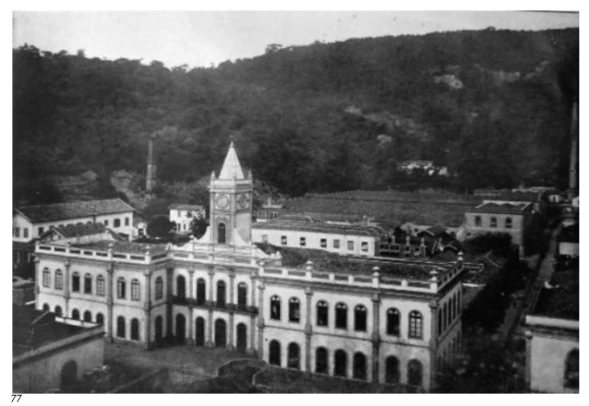
In that valley, life was made of the ups and downs of ox carts bordering the river. The history of the street is inseparable from the Carioca River—the city's main source of fresh water until the end of the Empire—since the street's design was sculpted by the trails and paths that bordered its...
continuar lendo
read more
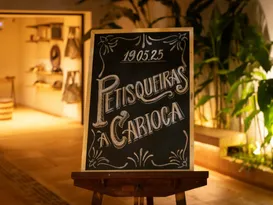
Você já ouviu falar nas “petisqueiras”? Pode-se até pensar em petiscos, mas petisqueira eram sinônimo de “iguarias”, “coisas deliciosas”. Foram o primeiro “ensaio” de uma gastronomia genuinamente carioca. O primeiro registro que encontramos foi “A Petisqueira do Catete”, que surgiu em 1850, no...
Have you ever heard of “petisqueiras”? You might think of them as snacks, but petisqueiras were synonymous with “delicacies”, “delicious things”. They were the first “test” of a genuinely Carioca cuisine. The first record we found was “A Petisqueira do Catete”, which opened in 1850, in the...
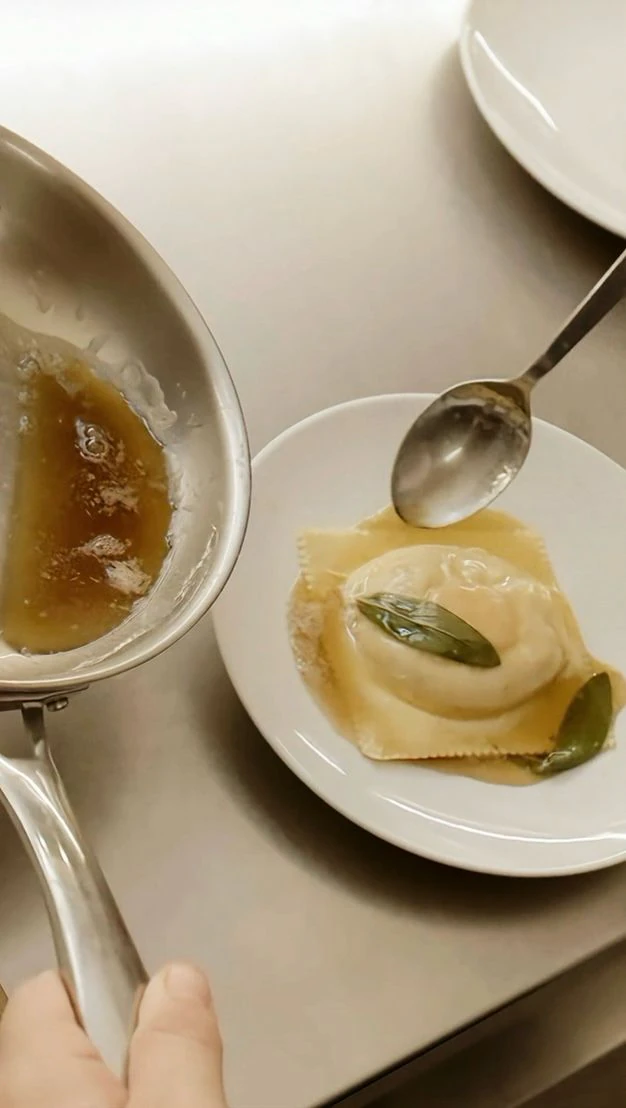
Ravioli são mais cariocas do que você imagina. Nós crescemos com a certeza de que a colônia italiana se estabeleceu no campo, em São Paulo e no Sul, o que é um fato, mas nunca foi só lá. Desde a década de 1820, e bem antes da grande imigração, que se deu mais para o fim do século XIX, já havia colôn
From 1830 onwards, this Italian-Carioca trend emerged: ravioli. They didn't occupy our fields as much, but they shaped the taste of Rio de Janeiro to this day, as street vendors, merchants, hotel and restaurant owners and businessmen. They were the ones who created the "Piccola Calabria" in Baixada
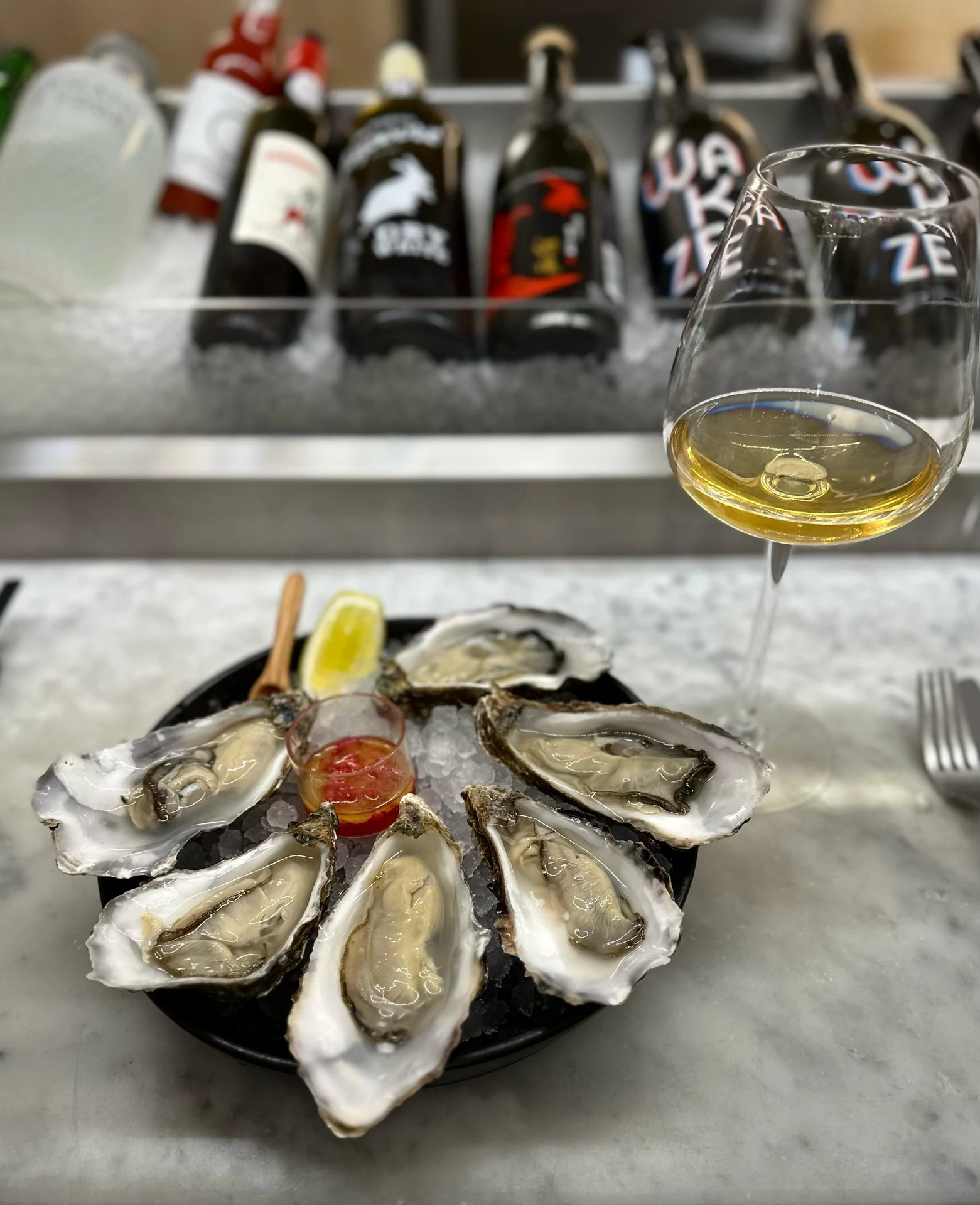
Você concorda com essas harmonizações? Ostras sempre foram assunto nas mesas cariocas. Mas… acompanhadas de quê? Vimos mais de meio século (de 1841 a 1910) do hábito de comê-las com vinho branco (fosse qual fosse), no Mercado Municipal, mas há combinações mais específicas:
Oysters have always been a hot topic at Rio de Janeiro's tables. But... with what? We saw over half a century (from 1841 to 1910) of the habit of eating them with white wine (no matter what it was) at the Municipal Market, but there are more specific combinations:
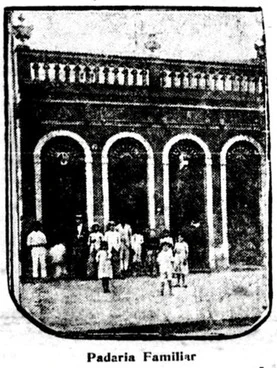
Delivery não é coisa de hoje. Nossa pesquisadora, Helena Jablonski, fala sobre o ‘sistema de assinaturas’ – o delivery de antigamente – muito comum desde o fim do século XIX. No vídeo, a história de como a interrupção da assinatura de pães causou uma comoção entre os moradores do Jardim Botânico.
Delivery services in 1918? Our researcher, Helena Jablonski, talks about the ‘subscription system’, very common since the late 19th century., in Rio de Janeiro. In the video, she tells the story of how the interruption of bread subscriptions caused a commotion among residents of Jardim Botânico.
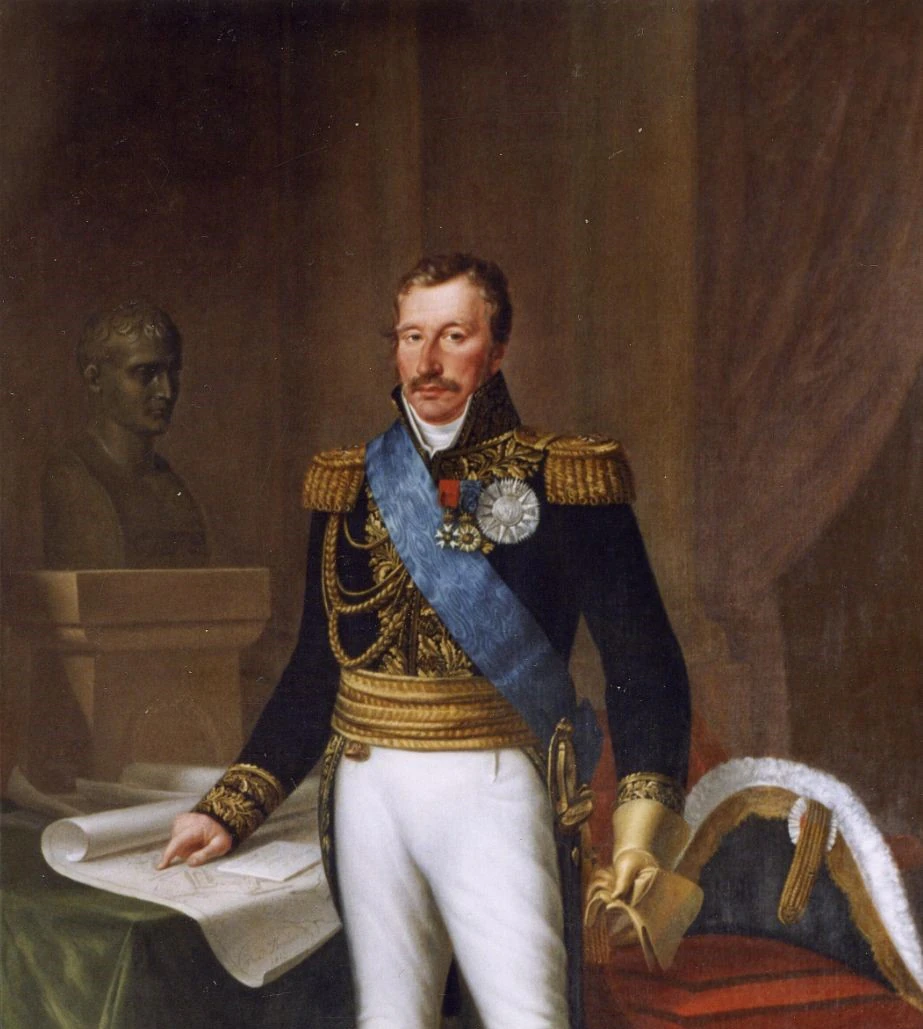
Retrato de Dirk van Hogendorp, com busto de Napoleão", de Christoph Suhr, 1813 (Imagem: Instituto Real de Língua, Geografia e Etnologia, Leiden) Quem olhasse para as encostas do Corcovado, em 1760, veria os 30 mil pés de café da fazenda do Conde de Hogendorp, antigo general de Napoleão....
“If I wear a more or less new shirt, it's because I bought it with the orange wine product that I make; If I wear these shoes, it's because I transport coal to the city and commerce is the exchange of the superfluous for the necessary....”