Home
Instituto
Institute
Restaurantes
Restaurants
Novidades
News
Territórios
Territories
Educação
Education
Produtos
Products
Conecte-se
Contact
EN
Navegue por categoria
Browse by category
Cardápios
Menus
Estabelecimentos
Establishments
Bairros
Neighborhoods
Municípios
Municipalities
Influências
Influences
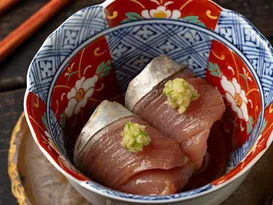
Omakase, em Copacabana, traz peixes brasileiros típicos do outono, como carapau e olho de boi.
Omakase, in Copacabana, offers typical Brazilian autumn fish, such as horse mackerel and amberjack.
continuar lendo
read more
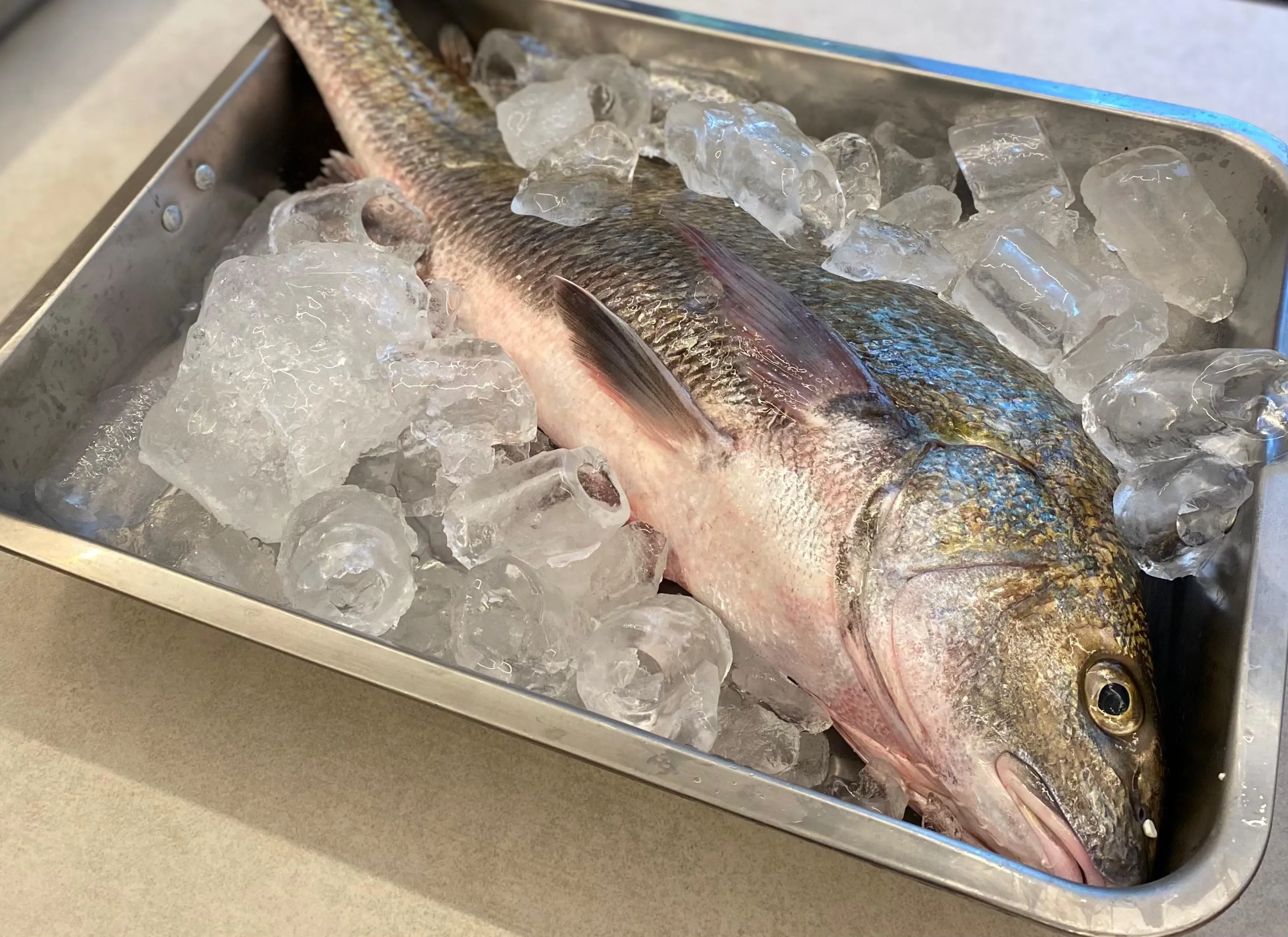
Também conhecida por piraúna ou “corvina da boca torta”, a perumbeba tem carne branca, firme e filé bem definido, com poucas espinhas. Por se alimentar de siris, caranguejos e camarões no fundo da lagoa, tem sabor e aroma intensos.
Also known as piraúna or "crooked-mouthed corvina," the perumbeba has white, firm flesh and a well-defined fillet with few bones. Because it feeds on crabs, shrimp, and blue crabs at the bottom of the lagoon, it has an intense flavor and aroma.
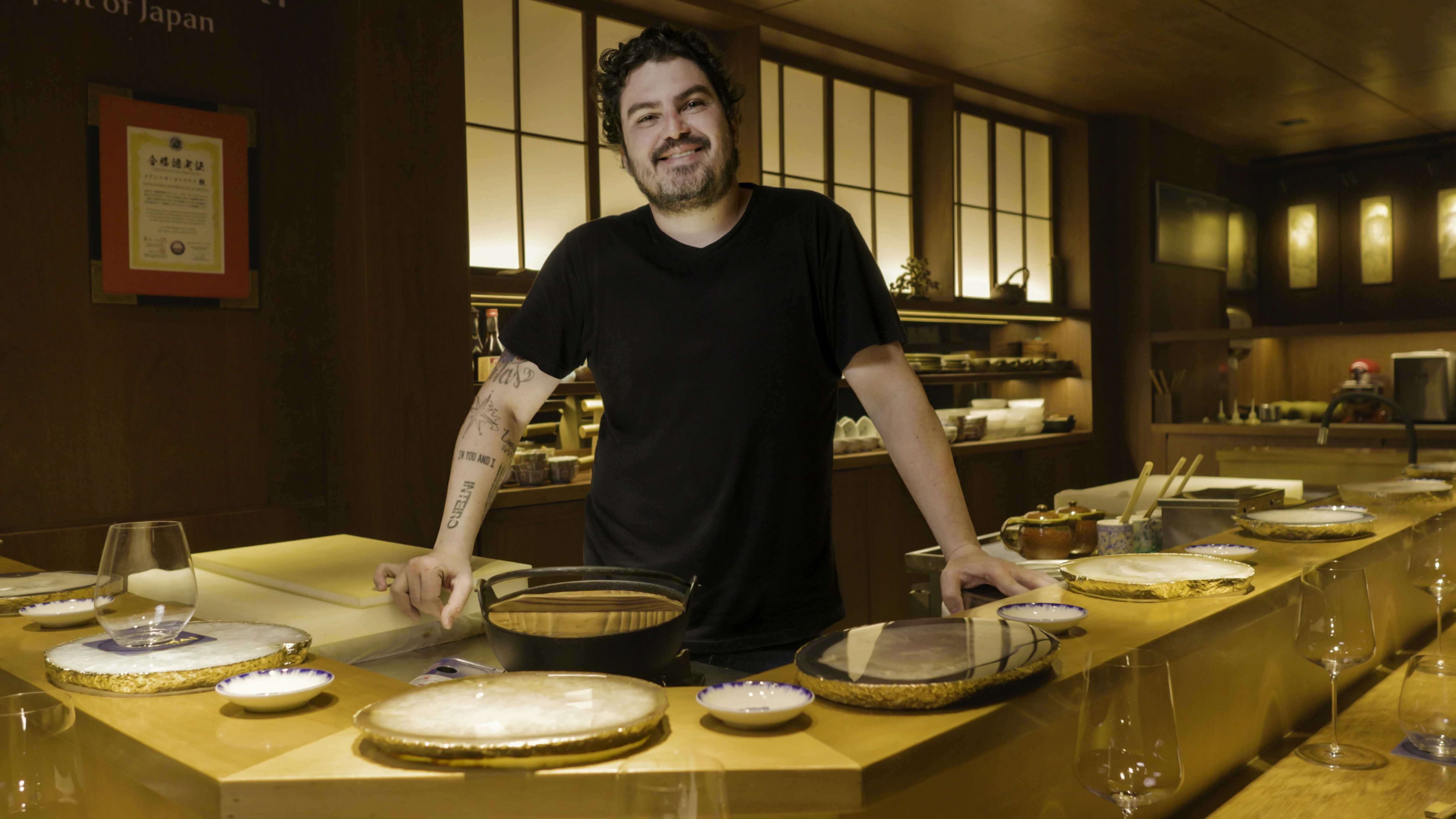
Copacabana, o bairro da praia mais famosa do Rio, é conhecido por ser um lugar de muito movimento. No meio deste caos urbano, está o Umai. Rio: uma sala reservada, escondida no segundo andar de um prédio discreto, onde os melhores ingredientes brasileiros encontram técnicas japonesas.
Copacabana, the neighborhood of Rio's most famous beach, is known for its bustling atmosphere. Amidst this urban chaos lies Umai. Rio: a secluded room, tucked away on the second floor of a discreet building, where the finest Brazilian ingredients meet Japanese techniques.
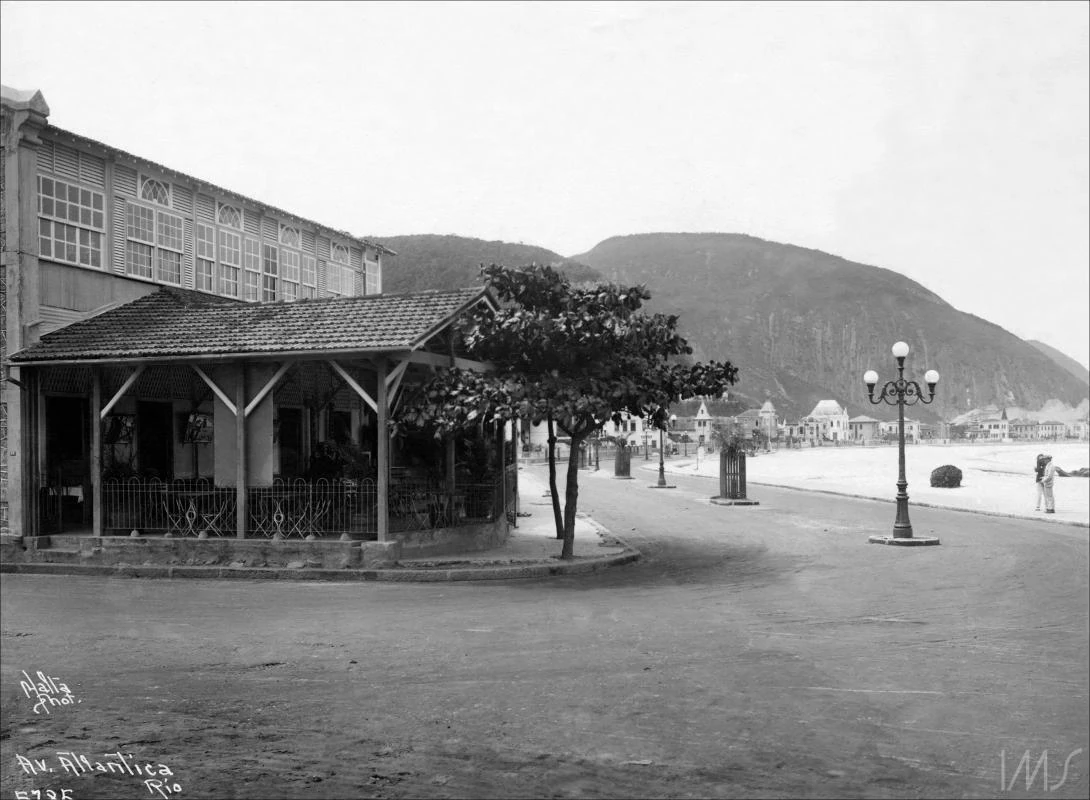
Por falar em personalidades, o presidente Washington Luis, quando foi deposto e preso no forte de Copacabana, em 1930, pedia todas as suas refeições de lá. No mesmo ano, no entanto, o restaurante entraria em falência e viraria, em seguida, o Cassino Atlântico, depois a TV Rio, um shopping center
“The ladies would pass by my grocery store in the Market, giving me angry looks, because I demeaned the white color.” The restaurant that was the first hot spot of Copacabana, opened in 1902, it was right in front of where today is the Z-13 fishing colony, on the corner of the current Francisco Ot
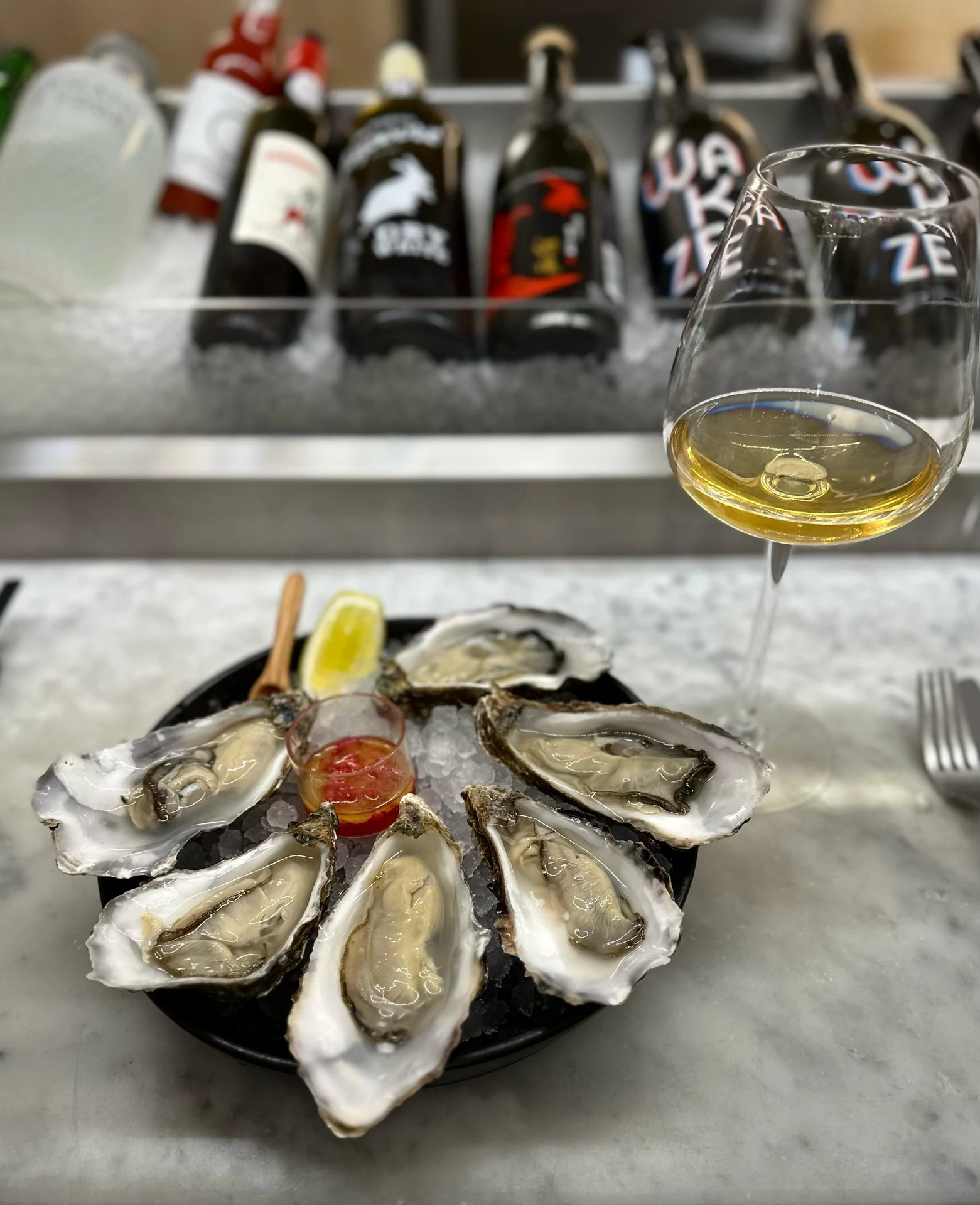
Você concorda com essas harmonizações? Ostras sempre foram assunto nas mesas cariocas. Mas… acompanhadas de quê? Vimos mais de meio século (de 1841 a 1910) do hábito de comê-las com vinho branco (fosse qual fosse), no Mercado Municipal, mas há combinações mais específicas:
Oysters have always been a hot topic at Rio de Janeiro's tables. But... with what? We saw over half a century (from 1841 to 1910) of the habit of eating them with white wine (no matter what it was) at the Municipal Market, but there are more specific combinations: