Home
Instituto
Institute
Restaurantes
Restaurants
Novidades
News
Territórios
Territories
Educação
Education
Produtos
Products
Conecte-se
Contact
EN
Navegue por categoria
Browse by category
Cardápios
Menus
Estabelecimentos
Establishments
Bairros
Neighborhoods
Municípios
Municipalities
Influências
Influences
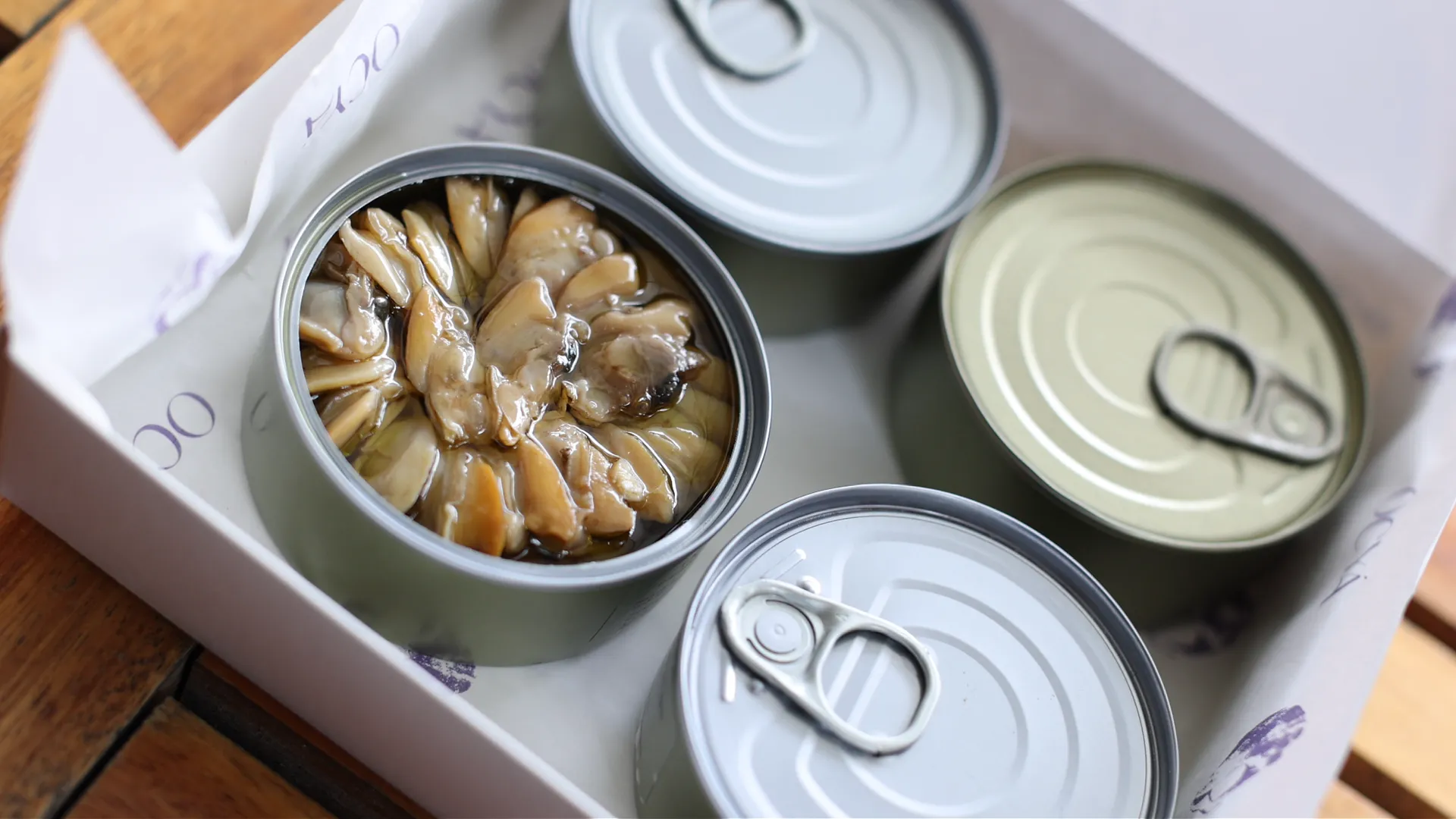
Desde a chegada da Côrte ao Brasil, ostras, lampreias, atuns, lagostas, salmão, sável e mexilhões de Aveiro eram importados em escabeche. O ‘sikbaj’, método de preservação em vinagre e especiarias herdado dos mouros, foi amplamente utilizado nos países ibéricos, também para peixes, e calhou de facil
Since the arrival of the Portuguese Court in Brazil, oysters, lampreys, tuna, lobsters, salmon, shad, and mussels from Aveiro were imported in escabeche. The 'sikbaj', a method of preservation in vinegar and spices inherited from the Moors, was widely used in the Iberian countries, also fo
continuar lendo
read more
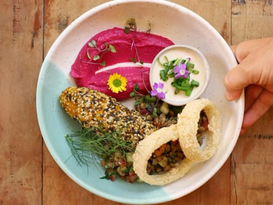
A dieta vegetariana do século XIX, no Rio de Janeiro, se inspirava no modelo inglês da Vegetarian Society e seus 3.000 sócios. Não pregava apenas “não matar animais”. Num artigo do Auxiliador da Indústria Nacional, de 1861, a “seita dos legumistas” implicava também em não juntar sal ou especiarias a
In the last century, in the 1970s, the so-called "natural" food movement in Rio and vegetarianism had a lot of overlap. Not surprisingly, the natural sandwich, a staple of the health-conscious generation's diet, became associated with the culture of outdoor sports, such as hang gliding and, especial
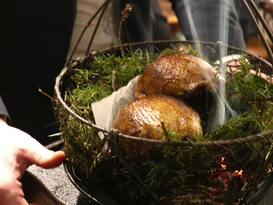
A vinda da Côrte Portuguesa para o Brasil trouxe um hábito, no prato: o de comer aves de caça. No Rio de Janeiro, entre o fim do século XIX e o início do XX, macucos, inhambús, e também perus, desfilavam nos cardápios mais nobres, sobretudo em Laranjeiras, então reduto elegante de veraneio.
The arrival of the Portuguese Court in Brazil brought a custom to the table: eating game birds. In Rio de Janeiro, between the late 19th and early 20th centuries, tinamous, small-billed tinamous, and also turkeys, were on the finest menus, especially in Laranjeiras, then an elegant summer retreat.
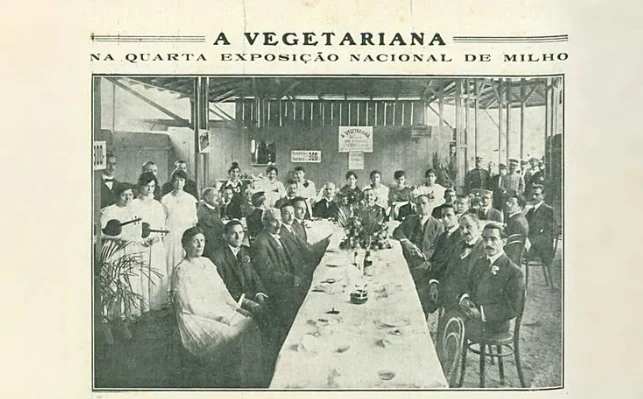
Em 1918, uma das revistas mais badaladas da época no Rio, a “Fon-Fon”, dedicou página inteira para a cobertura de um banquete vegetariano, então uma grande novidade. O evento aconteceu no pavilhão do restaurante carioca “A Vegetariana” (Rua da Alfândega,120, Centro).
In 1918, one of the most popular magazines in Rio at the time, “Fon-Fon”, dedicated an entire page to covering a vegetarian banquet, which was a big novelty at the time. The event took place in the pavilion of the Rio’s restaurant “A Vegetariana” (Rua da Alfândega, 120, Centro) and featured
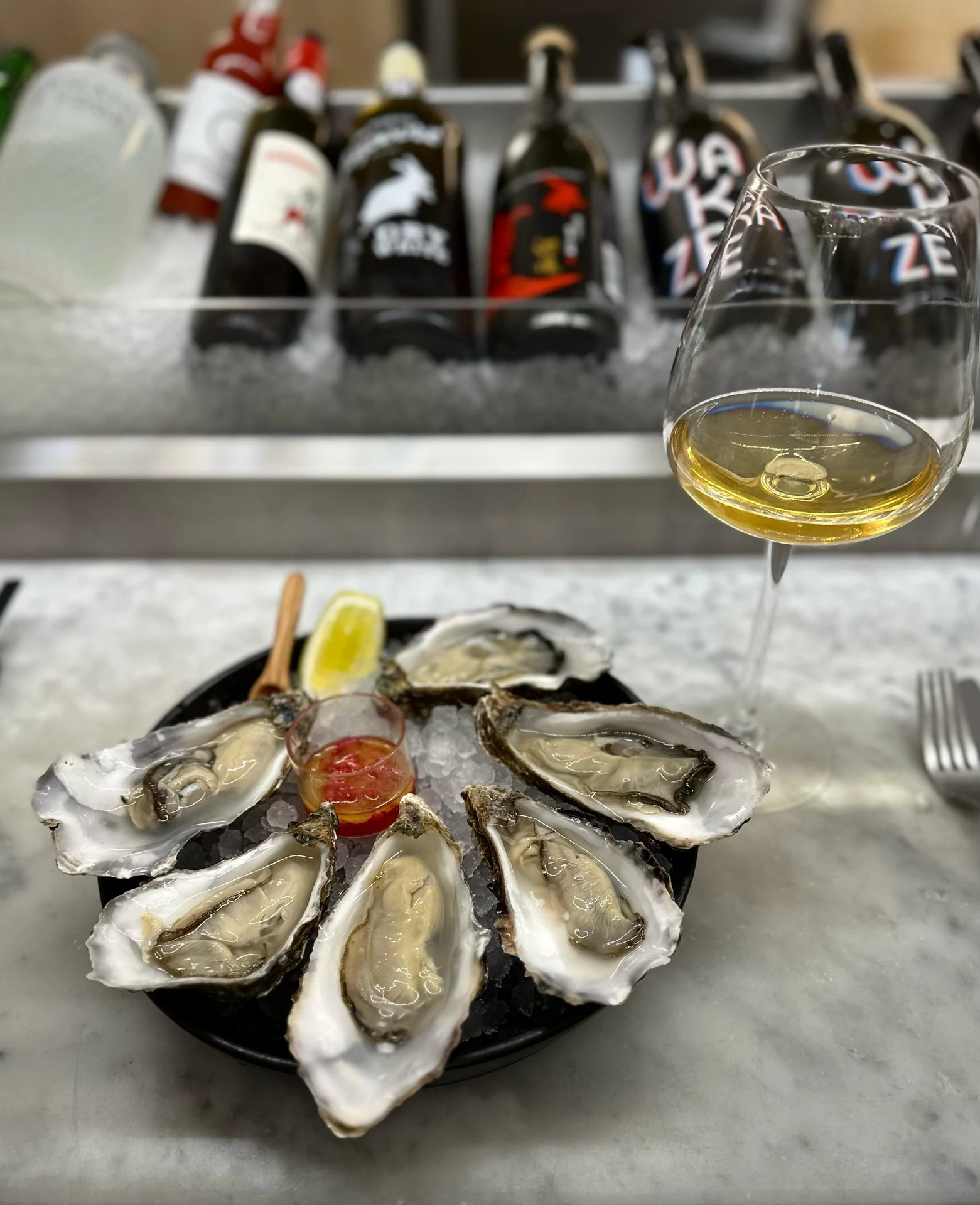
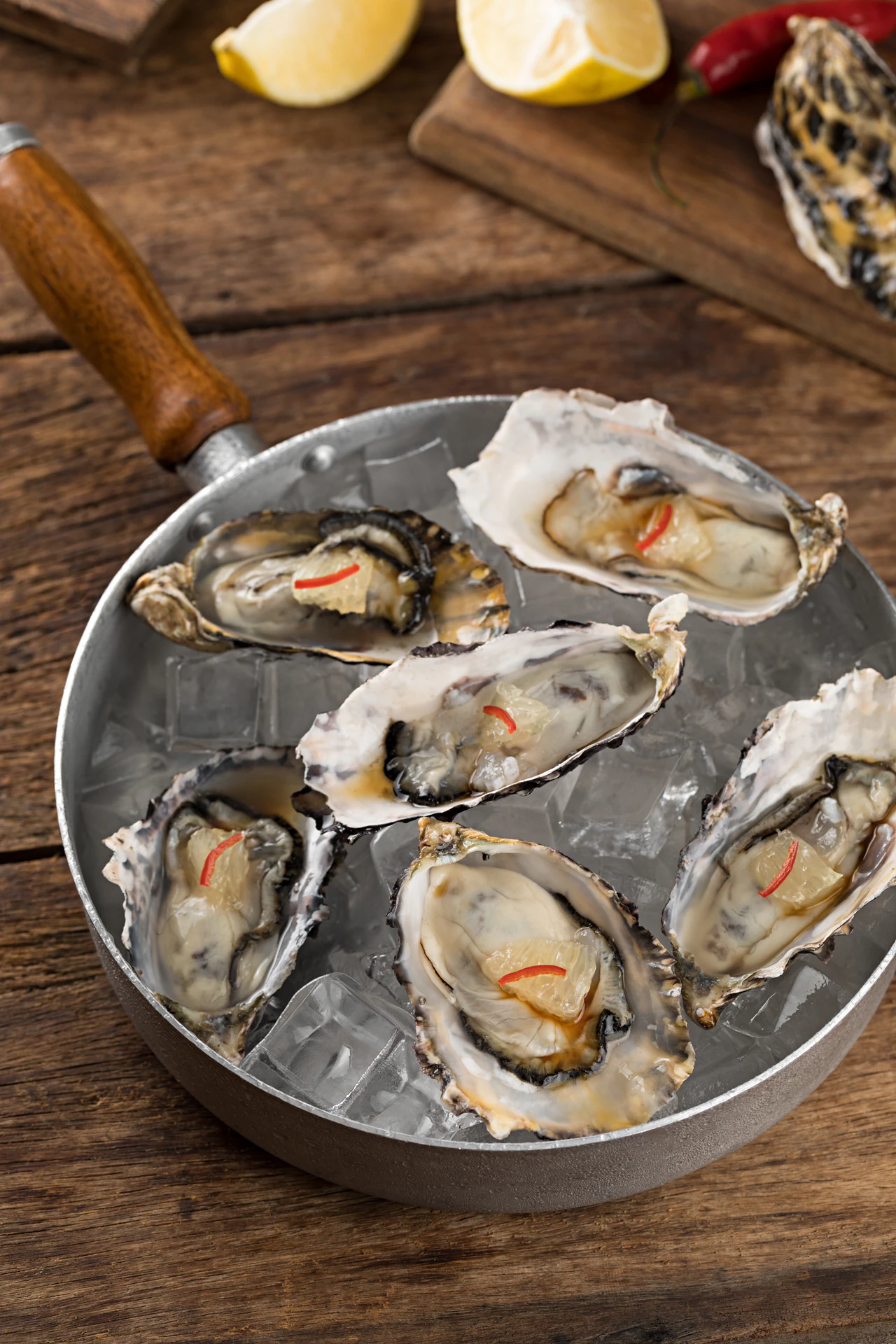
Você concorda com essas harmonizações? Ostras sempre foram assunto nas mesas cariocas. Mas… acompanhadas de quê? Vimos mais de meio século (de 1841 a 1910) do hábito de comê-las com vinho branco (fosse qual fosse), no Mercado Municipal, mas há combinações mais específicas:
Oysters have always been a hot topic at Rio de Janeiro's tables. But... with what? We saw over half a century (from 1841 to 1910) of the habit of eating them with white wine (no matter what it was) at the Municipal Market, but there are more specific combinations:
Em 1881, a moda era consumi-las com Sauternes, um dos mais renomados vinhos de sobremesa do mundo. Essa prática não poupava nem uma data lúgubre como o Dia dos Mortos como noticiou a Gazeta de Notícias em 1882. “E um amigo me afirma haver visto em certo restaurant pessoas que almoçavam ostras com
In 1881, the fashion was to consume them with Sauternes, one of the world's most renowned dessert wines. This practice spared no one, not even on a somber date like the Day of the Dead, as reported by the Gazeta de Notícias in 1882. “And a friend assures me that he saw in a certain restaurant...