Home
Instituto
Institute
Restaurantes
Restaurants
Novidades
News
Territórios
Territories
Educação
Education
Produtos
Products
Conecte-se
Contact
EN
Navegue por categoria
Browse by category
Cardápios
Menus
Estabelecimentos
Establishments
Bairros
Neighborhoods
Municípios
Municipalities
Influências
Influences
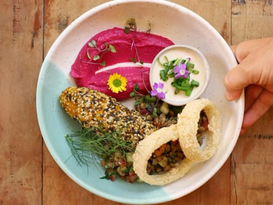
A dieta vegetariana do século XIX, no Rio de Janeiro, se inspirava no modelo inglês da Vegetarian Society e seus 3.000 sócios. Não pregava apenas “não matar animais”. Num artigo do Auxiliador da Indústria Nacional, de 1861, a “seita dos legumistas” implicava também em não juntar sal ou especiarias a
In the last century, in the 1970s, the so-called "natural" food movement in Rio and vegetarianism had a lot of overlap. Not surprisingly, the natural sandwich, a staple of the health-conscious generation's diet, became associated with the culture of outdoor sports, such as hang gliding and, especial
continuar lendo
read more
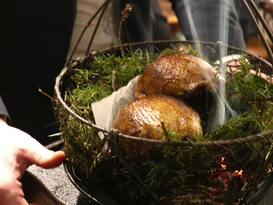
A vinda da Côrte Portuguesa para o Brasil trouxe um hábito, no prato: o de comer aves de caça. No Rio de Janeiro, entre o fim do século XIX e o início do XX, macucos, inhambús, e também perus, desfilavam nos cardápios mais nobres, sobretudo em Laranjeiras, então reduto elegante de veraneio.
The arrival of the Portuguese Court in Brazil brought a custom to the table: eating game birds. In Rio de Janeiro, between the late 19th and early 20th centuries, tinamous, small-billed tinamous, and also turkeys, were on the finest menus, especially in Laranjeiras, then an elegant summer retreat.
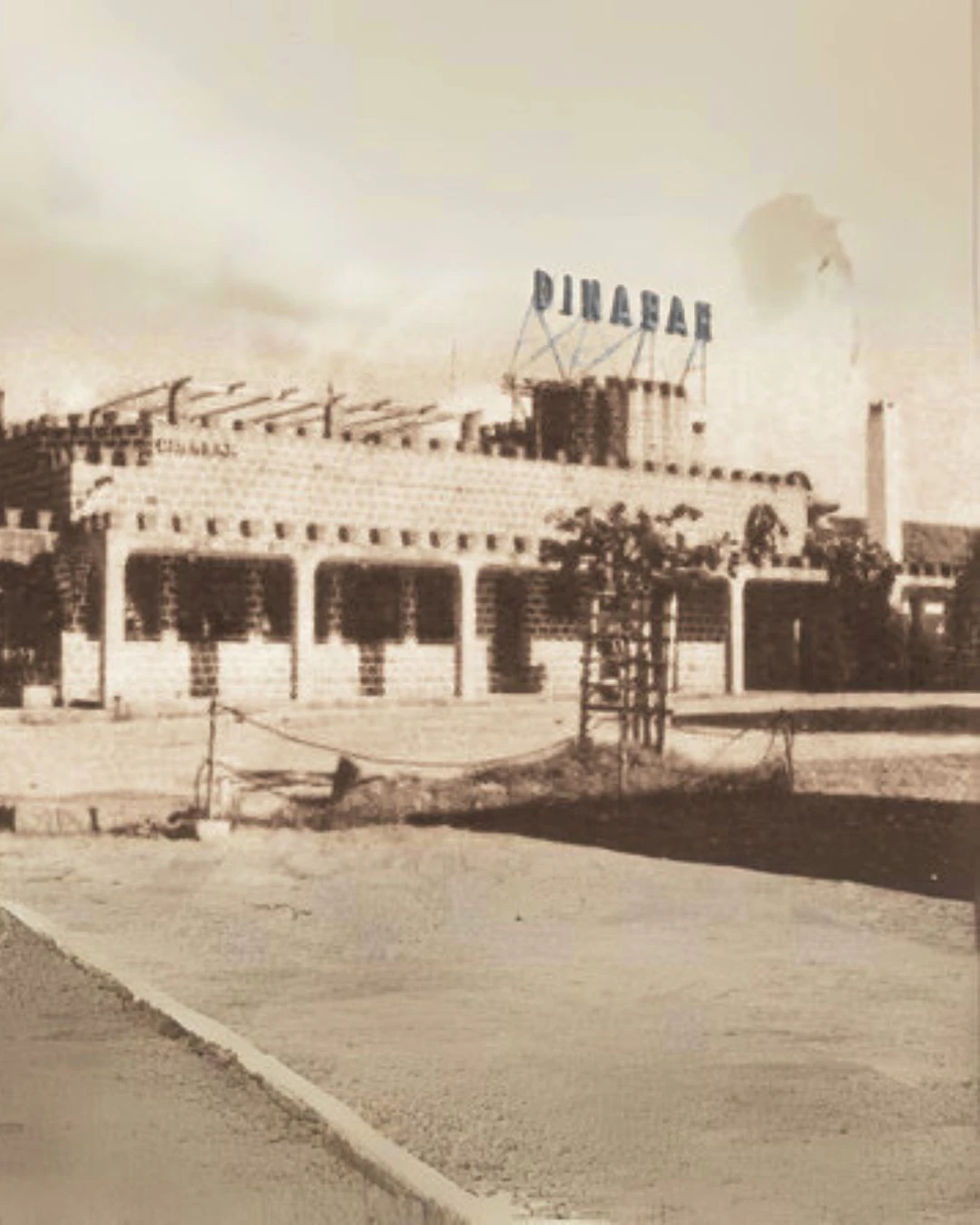
Na década de 1950, camarões fritos e cerveja gelada atraíam cariocas e estrangeiros à longínqua Barra da Tijuca, ainda com lagoas e manguezais preservados. Não havia ônibus, apenas uma estrada de terra que muitos enfrentavam para chegar ao Dina Bar, célebre pelos camarões ao alho e óleo servidos.
In the 1950s, fried shrimp and cold beer attracted locals and foreigners to the remote Barra da Tijuca, still home to pristine lagoons and mangroves. There were no buses, just a dirt road that many braved to reach Dina Bar, famous for its shrimp in garlic and oil sauce served year-round, Pernambuco.
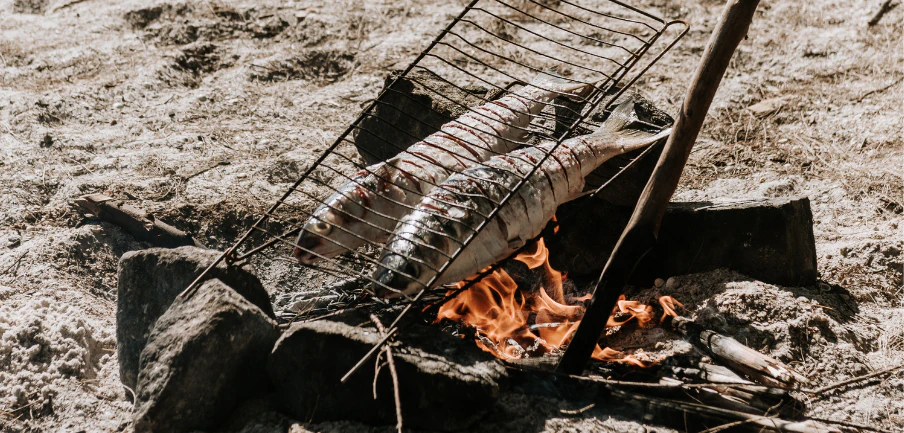
No tempo em que a Barra da Tijuca era um imenso território pouco explorado, a figura do “pombeiro” vencia as distâncias entre as pequenas casas da região para levar peixes no lombo do cavalo. O pesquisador Pedro Mello e Souza traz os detalhes deste personagem tão importante para a formação
At a time when Barra da Tijuca was a vast and little explored territory, the figure of the “pombeiro” would travel the region to carry fish on horseback. Researcher Pedro Mello e Souza brings the details of this character who was so important in shaping the palate of the people of Rio.
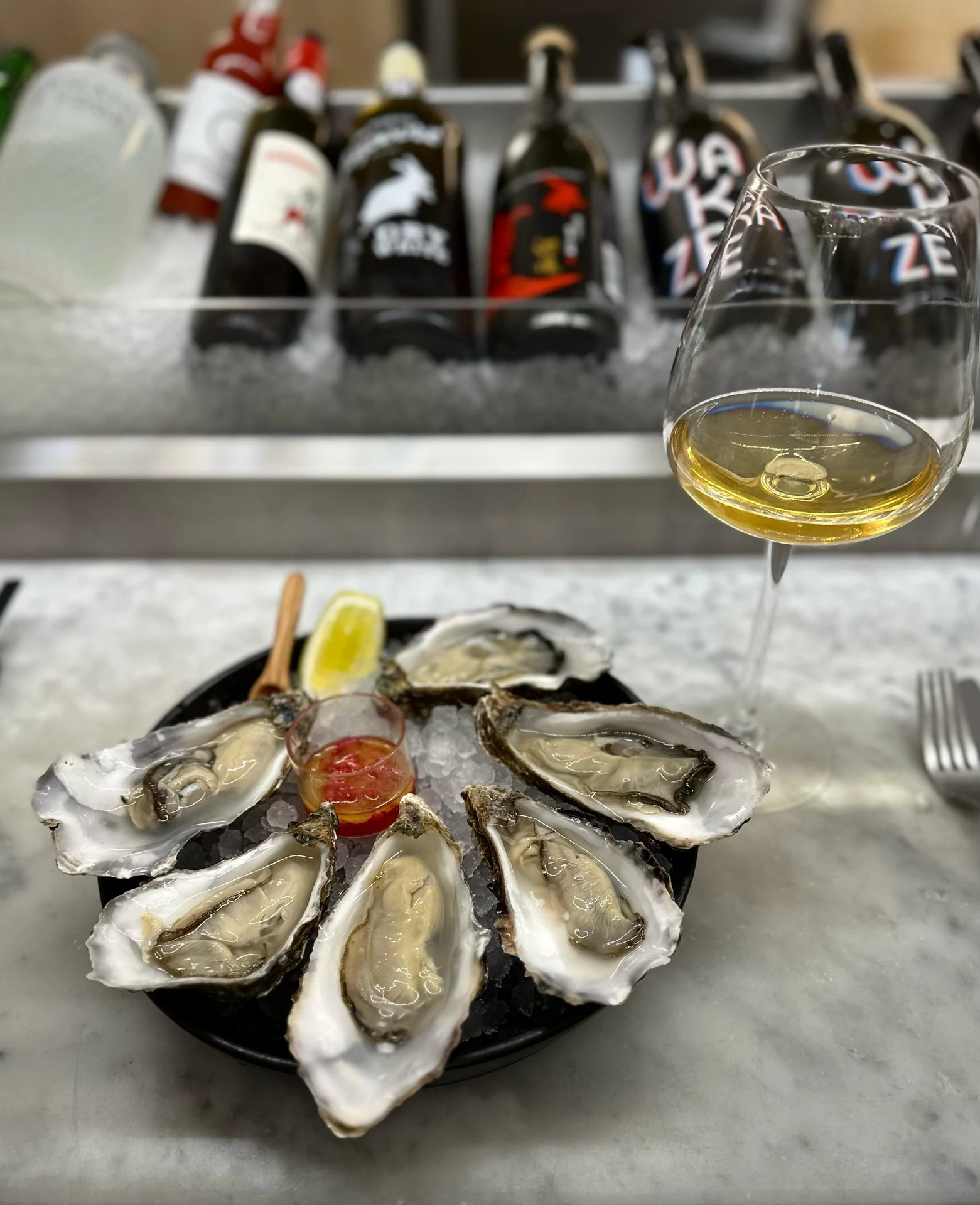
Você concorda com essas harmonizações? Ostras sempre foram assunto nas mesas cariocas. Mas… acompanhadas de quê? Vimos mais de meio século (de 1841 a 1910) do hábito de comê-las com vinho branco (fosse qual fosse), no Mercado Municipal, mas há combinações mais específicas:
Oysters have always been a hot topic at Rio de Janeiro's tables. But... with what? We saw over half a century (from 1841 to 1910) of the habit of eating them with white wine (no matter what it was) at the Municipal Market, but there are more specific combinations:
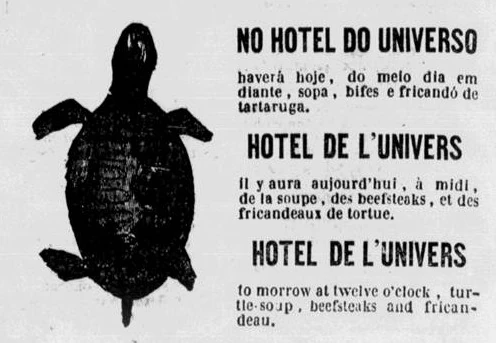
Da série PRATOS ESQUECIDOS. Comia-se tartaruga, no Rio. Era chique. Nas mesas da época do Império, vinham em bifes. Pastéis, fricassés e fricandós eram anunciados pelas casas de pasto; sopas de tartaruga abriam grandes banquetes.
From the series FORGOTTEN DISHES. Turtle was eaten in Rio. It was chic. On the tables during the Empire, it was served as steaks. Pastries, fricassés, and fricandós were advertised by the taverns; turtle soups opened grand banquets.